
Health Insurance Topics & 100 FAQs
Health Insurance Basics
Learn the fundamentals of health insurance, including how coverage works, what plans typically include, and why medical coverage plays an important role in protecting your health and finances.
Health Insurance Nationwide
Understand how Health Insurance premiums, deductibles, copays, coinsurance, and out-of-pocket maximums work together. Every State has different options and laws.
Explore the different types of health insurance plans, provider networks, and coverage structures that affect how you access doctors, hospitals, medical services, and more
Understanding Health Insurance Coverage
FAQ's
1. What is health insurance and how does it work?
What is health insurance and how does it work?
Health insurance helps pay for covered medical expenses such as doctor visits, preventive care, prescriptions, emergency treatment, hospital stays, and certain specialist services. Instead of paying the full cost of every medical bill yourself, you typically share costs with the insurance company through premiums, deductibles, copays, and coinsurance. The exact amount you pay depends on the plan you choose and the type of care you receive.
Most plans work through a network of doctors, hospitals, and providers that have agreed to set pricing with the insurer. When you stay in-network, your out-of-pocket costs are usually lower. In many cases, preventive services are covered before you meet your deductible, while other services may require cost-sharing first. Health insurance is designed to reduce financial risk, improve access to care, and help you manage both routine and unexpected medical needs more predictably.
If you are learning the basics, it may also help to review related topics such as dental insurance FAQs, vision insurance FAQs, and supplemental insurance FAQs so you can better understand how different forms of coverage work together. You can also explore more educational topics in the Vivna Health Insurance Blog for deeper explanations of deductibles, provider networks, and plan comparisons.
2. Why is health insurance important?
Why is health insurance important?
Health insurance is important because medical care can become expensive very quickly, even for common health needs. A simple urgent care visit, lab work, prescription medication, or imaging service can cost far more without coverage than many people expect. A larger event such as surgery, hospitalization, or emergency treatment can create a major financial burden. Health insurance helps protect you from these costs while also giving you better access to preventive services and routine care.
Beyond financial protection, health insurance supports long-term health management. People with coverage are more likely to schedule annual checkups, seek care earlier, and stay on top of prescriptions or follow-up appointments. That can make a real difference when it comes to identifying health concerns before they become more serious or more costly to treat. Coverage also provides structure by outlining what services are included, how provider networks work, and what your expected share of costs may be.
Many people also pair health insurance with other forms of protection depending on their needs. For example, you may want to compare it with life insurance FAQs or learn how extra protection can work through supplemental insurance FAQs. For additional educational reading, the Vivna Health Insurance Blog offers clear explanations that can help you understand the role coverage plays in protecting both your health and your budget.
3. What does health insurance usually cover?
What does health insurance usually cover?
Health insurance usually covers a broad range of medical services, although exact benefits vary by plan. Common covered services often include preventive care, primary care visits, specialist appointments, emergency care, hospitalization, lab testing, imaging, mental health services, prescription drugs, and certain therapies or follow-up care. Many plans also include preventive screenings, vaccines, and wellness visits at little or no extra cost when received through in-network providers.
However, covered services do not always mean the plan pays the full amount. Some services may require that you meet your deductible first, while others may involve a copay or coinsurance. Coverage can also depend on whether a service is medically necessary, whether preauthorization is required, and whether you receive care in-network. Because every policy is different, it is important to review the summary of benefits and provider network before choosing a plan.
Health insurance is only one part of a larger protection strategy. Some people also carry separate coverage for services not always fully included in a medical plan, such as dental insurance FAQs and vision insurance FAQs. Others use supplemental insurance FAQs to understand ways to help with unexpected out-of-pocket expenses. For more examples and explanations, visit the Vivna Health Insurance Blog.
4. What does health insurance usually not cover?
What does health insurance usually not cover?
Health insurance plans often do not cover every service in full, and some services may be excluded entirely. Common exclusions can include cosmetic procedures that are not medically necessary, certain experimental treatments, non-covered medications, out-of-network care beyond plan rules, and services received without required preauthorization. Even when a service is covered, there may still be limits, cost-sharing, or network restrictions that affect what the plan actually pays.
Some plans also do not include routine dental or vision care as part of standard medical benefits. That means services like cleanings, fillings, eye exams, or glasses may need separate coverage depending on the plan type. In addition, short-term or limited-benefit plans may provide narrower protection than more comprehensive coverage, so it is important to understand the exclusions before enrolling. Reading the evidence of coverage, benefit summary, and prescription formulary can help avoid surprises later.
This is one reason many people review related protection options such as dental insurance FAQs, vision insurance FAQs, and supplemental insurance FAQs. Those resources help explain where separate policies may fill a gap. For ongoing educational content, the Vivna Health Insurance Blog is also a useful place to learn more about limits, exclusions, and plan design.
5. What is the difference between health insurance and supplemental insurance?
What is the difference between health insurance and supplemental insurance?
Health insurance is your primary medical coverage. It is designed to help pay for covered healthcare services such as doctor visits, hospital stays, prescriptions, preventive care, and emergency treatment. Supplemental insurance is different because it is not meant to replace your main medical plan. Instead, it can provide extra financial support by helping with certain out-of-pocket costs or paying fixed benefits for specific situations, depending on the type of policy.
For example, a health insurance plan may cover a hospitalization according to the plan’s deductible, copay, and coinsurance structure. A supplemental policy may help by paying cash benefits that can be used toward medical bills or other eligible expenses, depending on the policy terms. The two types of coverage serve different purposes. One is built to handle core medical care, while the other may add another layer of financial protection.
If you want a clearer side-by-side understanding, reviewing supplemental insurance FAQs can be very helpful. You may also want to compare how separate types of protection work by visiting dental insurance FAQs or life insurance FAQs. For additional educational guidance, the Vivna Health Insurance Blog includes helpful explanations on plan structure and coverage strategy.
6. Is health insurance the same as dental and vision insurance?
Is health insurance the same as dental and vision insurance?
Health insurance is not usually the same as dental and vision insurance. A standard medical plan is primarily designed to cover general healthcare services such as preventive care, office visits, hospital treatment, prescriptions, and medically necessary services. Dental and vision benefits are often offered separately or included only in a limited way, depending on the policy. Because of that, many people choose to carry separate dental and vision coverage in addition to their medical plan.
Dental insurance generally focuses on services such as exams, cleanings, X-rays, fillings, and sometimes more advanced procedures depending on the policy. Vision insurance usually helps with eye exams, lenses, frames, and certain corrective services based on the plan design. These benefits work differently from medical insurance and often have their own provider networks, annual maximums, and cost-sharing structures. Understanding that difference can help you avoid assuming a medical plan automatically handles everything.
To learn more about how these coverages differ, it is useful to review dental insurance FAQs and vision insurance FAQs. Those resources can help explain how routine oral and eye care fit into an overall coverage strategy. You can also browse the Vivna Health Insurance Blog for more educational content on how different policy types work together.
7. Who should have health insurance?
Who should have health insurance?
Health insurance can be valuable for nearly anyone because healthcare needs are often unpredictable. Even people who feel healthy may still need preventive visits, prescriptions, urgent care, or unexpected treatment after an illness or accident. Coverage helps reduce the financial shock of medical bills while also making routine care easier to access. That matters for individuals, couples, families, self-employed workers, and older people who want more predictable healthcare planning.
People with ongoing medical needs may especially benefit from having structured coverage in place, but health insurance is not only for those who expect regular treatment. It can also be important for people who simply want access to annual checkups, screenings, and provider networks if something changes. The value is not just in what you use today. It is also in the protection it provides when health needs arise unexpectedly.
Depending on the household, health insurance may be one part of a broader plan that includes other forms of coverage. Some people also review life insurance FAQs for family protection planning, while others look at supplemental insurance FAQs to better understand extra financial protection options. For practical education on choosing and using coverage, the Vivna Health Insurance Blog is a strong next step.
8. Can I use health insurance for preventive care?
Can I use health insurance for preventive care?
Yes, many health insurance plans include preventive care benefits, and those services are often covered differently than treatment-based services. Preventive care may include annual wellness visits, screenings, vaccinations, blood pressure checks, cholesterol testing, and other routine services designed to catch health issues early or help maintain overall wellness. In many comprehensive plans, certain preventive services are covered before you meet your deductible when you use in-network providers and the service qualifies under plan rules.
That makes preventive care one of the most valuable parts of health insurance. Instead of waiting until symptoms worsen, you may be able to address health concerns earlier through regular checkups and recommended screenings. However, it is still important to confirm that the service is classified as preventive and that the provider is in-network, because diagnostic follow-up services may be billed differently. The details can vary from one plan to another.
Preventive care is a good example of how health insurance supports long-term wellness, but it is only one part of an overall protection plan. Some people also review vision insurance FAQs or dental insurance FAQs to better understand routine care beyond standard medical coverage. For more educational articles on benefits and plan structure, visit the Vivna Health Insurance Blog.
9. Can I keep health insurance if my needs change?
Can I keep health insurance if my needs change?
Whether you can keep your health insurance when your needs change depends on the type of plan you have and what kind of change takes place. Some changes, such as moving, losing other coverage, getting married, having a child, or certain household changes, may trigger a special enrollment period that allows you to switch plans or enroll in new coverage outside the standard enrollment window. Employer changes, income changes, or provider access needs may also affect your options.
In some cases, you may be able to stay on the same plan if it still meets your needs and remains available in your area. In other situations, it may make sense to compare options if your doctors change, your prescriptions change, or your expected healthcare usage increases. Reviewing your plan annually is important because coverage details, premiums, provider networks, and out-of-pocket costs can shift over time.
When reviewing your overall coverage strategy, it can also help to look at related protection topics such as supplemental insurance FAQs and life insurance FAQs. These resources provide broader context as needs evolve over time. You can also read more educational guidance on plan comparison and enrollment topics in the Vivna Health Insurance Blog.
10. How do I know if a health insurance plan is a good fit?
How do I know if a health insurance plan is a good fit?
A health insurance plan is usually a good fit when it matches both your healthcare needs and your budget. That means looking beyond the monthly premium and reviewing the full structure of the plan, including the deductible, copays, coinsurance, out-of-pocket maximum, provider network, prescription coverage, and referral requirements. A lower premium may look appealing at first, but it may come with higher cost-sharing when you actually use care. On the other hand, a higher premium may offer more predictable costs if you expect regular medical visits or prescriptions.
You should also consider whether your preferred doctors, hospitals, and medications are included. If a plan does not work well with the providers or prescriptions you rely on, it may not be the right match even if the premium seems affordable. Thinking about expected healthcare usage, convenience, family needs, and long-term budget stability can help you make a stronger decision. The best plan is often the one that balances access, protection, and manageable out-of-pocket costs.
It may also help to compare how other forms of protection fit into your overall planning by reviewing dental insurance FAQs, vision insurance FAQs, and supplemental insurance FAQs. For deeper education on comparing plan details, the Vivna Health Insurance Blog is another strong internal resource.
11. What is a health insurance provider network?
What is a health insurance provider network?
A health insurance provider network is a group of doctors, hospitals, clinics, and medical professionals that have agreed to provide healthcare services to members of a specific insurance plan at negotiated rates. Insurance companies establish contracts with these providers to control costs and coordinate care. When you receive care from providers that participate in the network, your insurance plan typically pays a larger portion of the cost, which helps reduce your out-of-pocket expenses.
Provider networks can vary depending on the type of health insurance plan. Some plans require members to stay within the network for most services, while others allow greater flexibility but may charge higher costs when you visit out-of-network providers. Understanding your plan’s network is important because it affects where you can receive care and how much you will pay for services.
Different insurance companies may structure provider networks differently. You can learn more about how individual carriers organize their networks by reviewing resources such as Ambetter Health FAQs, Oscar Health FAQs, and UnitedHealthcare FAQs. Additional educational topics about networks and plan structures can also be found in the Vivna Health Insurance Blog.
12. What is a primary care physician in health insurance?
What is a primary care physician in health insurance?
A primary care physician, often referred to as a PCP, is the doctor responsible for managing your general healthcare needs. This physician typically provides routine checkups, preventive services, treatment for common illnesses, and referrals to specialists when additional care is needed. Having a primary care physician helps coordinate your healthcare and maintain a complete record of your medical history.
Some health insurance plans require members to select a primary care physician when enrolling. In those plans, your PCP becomes the central point for most medical services and may need to approve referrals to specialists. Other plans allow greater flexibility, letting you visit specialists directly without a referral. Even when referrals are not required, having a regular doctor can help improve continuity of care and long-term health management.
The process for selecting and working with a primary care physician may vary depending on the insurance company and the type of plan. If you want to understand how different insurers structure primary care access, reviewing carrier resources such as Cigna Healthcare FAQs, Molina Healthcare FAQs, or Oscar Health FAQs can provide helpful insights. You can also explore more educational articles in the Vivna Health Insurance Blog.
13. What is preventive care in health insurance?
What is preventive care in health insurance?
Preventive care refers to medical services designed to maintain health and detect potential health problems before they become more serious. These services often include routine checkups, screenings, vaccinations, and wellness visits that help monitor overall health. Preventive care is an important part of healthcare because it encourages early detection and treatment, which may reduce the risk of more serious medical conditions later.
Many health insurance plans include preventive services as a key benefit. Depending on the plan and provider network, some preventive services may be covered differently from other medical treatments. This structure encourages individuals to schedule regular checkups and screenings without delaying care. Preventive care may include annual physical exams, blood pressure monitoring, cholesterol screenings, and other health evaluations recommended by healthcare professionals.
Insurance companies may vary in how preventive services are structured within their plans. Learning how different insurers handle preventive benefits can help you understand the details of your coverage. Resources such as Ambetter Health FAQs, Cigna Healthcare FAQs, and UnitedHealthcare FAQs can provide additional insights, while the Vivna Health Insurance Blog offers educational articles explaining preventive healthcare topics.
14. What is a health insurance premium?
What is a health insurance premium?
A health insurance premium is the regular payment required to keep your health insurance coverage active. Most people pay their premium monthly, although some plans allow other billing schedules depending on the policy. Paying the premium ensures that your insurance policy remains in force and that you can access covered medical services under the plan.
The premium is separate from the costs you may pay when receiving healthcare services. Even after paying your monthly premium, you may still have additional expenses such as deductibles, copays, or coinsurance depending on the plan structure. Some plans offer lower monthly premiums but higher out-of-pocket costs when care is needed, while other plans may have higher premiums with lower cost sharing.
Insurance companies structure premiums differently based on factors such as plan design, provider networks, and coverage levels. If you want to understand how different insurers structure their plans, reviewing resources such as Oscar Health FAQs, Molina Healthcare FAQs, or UnitedHealthcare FAQs can provide additional context. More educational information about insurance costs can also be found in the Vivna Health Insurance Blog.
15. What is a deductible in health insurance?
What is a deductible in health insurance?
A deductible is the amount you must pay for covered healthcare services before your health insurance plan begins sharing the cost of care. This amount typically resets each year according to the plan’s coverage period. Until the deductible is met, you may be responsible for paying the full negotiated cost of many medical services, although certain preventive services may still be covered depending on the plan.
After you reach your deductible, your health insurance company usually begins paying a portion of the costs for covered services. At that point, you may be responsible for copays or coinsurance depending on the plan structure. Deductibles can vary significantly between plans, which is why reviewing plan details carefully is important when comparing coverage options.
Different insurance carriers structure deductibles in different ways depending on the type of coverage offered. You can learn more about how deductibles work within various plans by exploring resources such as Ambetter Health FAQs, Cigna Healthcare FAQs, and UnitedHealthcare FAQs. Additional explanations of healthcare costs can also be found in the Vivna Health Insurance Blog.
16. What is a copay in health insurance?
What is a copay in health insurance?
A copay, also called a copayment, is a fixed amount you pay for certain healthcare services under your health insurance plan. Instead of paying the entire cost of the service, you pay the copay amount while the insurance company covers the remaining portion according to the plan’s rules. Copays are commonly used for services such as doctor visits, urgent care visits, specialist appointments, and prescription medications.
The amount of the copay depends on the structure of the health insurance plan and the type of service received. For example, primary care visits may have a lower copay than specialist visits, and prescription drugs may have different copay levels depending on the medication tier. Copays are usually paid at the time of service, which makes them predictable and easier to budget for routine healthcare.
Copay structures can vary between insurance companies and plan types. Learning how different carriers organize their benefits can help you compare coverage options more effectively. Resources such as Molina Healthcare FAQs, Oscar Health FAQs, and Cigna Healthcare FAQs may provide additional insights, while the Vivna Health Insurance Blog offers educational articles about healthcare costs.
17. What is coinsurance in health insurance?
What is coinsurance in health insurance?
Coinsurance is the percentage of healthcare costs that you share with your insurance company after your deductible has been met. Unlike a copay, which is a fixed amount, coinsurance is calculated as a percentage of the total cost of a covered medical service. For example, if your plan includes 20 percent coinsurance, you would pay 20 percent of the cost while the insurance company pays the remaining 80 percent.
Coinsurance commonly applies to services such as hospital stays, specialist treatments, surgeries, and certain diagnostic procedures. Because coinsurance is based on a percentage, the amount you pay may vary depending on the cost of the service received. Coinsurance continues until you reach your plan’s out-of-pocket maximum, after which the insurance company typically covers eligible services at a higher level for the remainder of the coverage period.
The specific coinsurance structure can differ depending on the insurance company and plan design. Reviewing resources such as Ambetter Health FAQs, Cigna Healthcare FAQs, and UnitedHealthcare FAQs can provide additional details about how different plans structure cost sharing.
18. What is an out-of-pocket maximum?
What is an out-of-pocket maximum?
The out-of-pocket maximum is the highest amount you must pay for covered healthcare services during a plan year. This limit typically includes expenses such as deductibles, copays, and coinsurance that accumulate as you receive care. Once you reach this maximum amount, your insurance plan usually pays the full cost of covered services for the remainder of the coverage period.
This limit exists to protect individuals and families from extremely high medical expenses in the event of serious illness, injury, or ongoing treatment. Without an out-of-pocket maximum, healthcare costs could continue to increase indefinitely. By placing a cap on expenses, insurance plans provide financial protection during major medical events.
Out-of-pocket limits can vary depending on the insurance carrier and plan type. Learning how different companies structure these limits can help you compare coverage options more effectively. Resources such as Oscar Health FAQs, Molina Healthcare FAQs, and UnitedHealthcare FAQs provide additional insights.
19. What is a claim in health insurance?
What is a claim in health insurance?
A health insurance claim is a request for payment that is submitted to an insurance company after medical services are provided. In most cases, the healthcare provider submits the claim directly to the insurance company on behalf of the patient. The claim includes information about the service performed, the diagnosis, the provider who delivered the care, and the cost of treatment.
Once the claim is received, the insurance company reviews the information to determine how much of the cost is covered under the policy. The insurer evaluates whether the service is covered, whether the provider is within the network, and whether any deductibles or cost sharing apply. After processing the claim, the insurance company issues a document called an Explanation of Benefits.
The claim process may vary slightly depending on the insurance provider. Learning how different insurers process claims can help you better understand your coverage. Resources such as Cigna Healthcare FAQs, Molina Healthcare FAQs, and Ambetter Health FAQs provide additional information about how claims and benefits work.
20. What is an Explanation of Benefits (EOB)?
What is an Explanation of Benefits (EOB)?
An Explanation of Benefits, commonly called an EOB, is a statement provided by your health insurance company after a claim has been processed. The document explains how the claim was handled and outlines what portion of the healthcare cost was paid by the insurance company and what portion may still be the patient’s responsibility.
The EOB typically includes details such as the medical service received, the amount billed by the provider, the amount allowed by the insurance company, the portion paid by the insurer, and any remaining balance that may be owed. While the EOB shows cost information, it is not a bill. Instead, it is meant to provide transparency and help you understand how your insurance benefits were applied.
Different insurance companies may format their Explanation of Benefits statements differently. Reviewing carrier resources such as UnitedHealthcare FAQs, Oscar Health FAQs, and Cigna Healthcare FAQs can help you understand how various insurers present claim information.
Understanding Health Insurance Costs
Health insurance costs include more than just the monthly premium. Understanding how deductibles, copays, coinsurance, prescription costs, and out-of-pocket maximums work together can help you estimate the true cost of coverage. Different plans balance these expenses in different ways, which is why comparing plan structures is important when choosing coverage. Learning how healthcare expenses are shared between you and the insurance company can help you select a plan that fits both your medical needs and your budget.
FAQ's
21. Why do health insurance premiums vary?
Why do health insurance premiums vary?
Health insurance premiums vary because insurance companies consider several factors when determining the cost of coverage. Premium pricing reflects the structure of the plan, the level of coverage offered, the provider network, and the expected healthcare risk within the insured population. Plans that provide broader networks, lower deductibles, or more predictable out-of-pocket costs typically have higher monthly premiums compared to plans with higher cost sharing.
Location also plays an important role in premium pricing. Healthcare costs, provider availability, and insurance regulations can vary by state, which means premiums may differ depending on where you live. If you want to explore coverage options based on your location, you can review health insurance plans available in your state. Understanding how regional differences affect coverage can help you better compare plans.
Insurance companies structure plans differently as well. Carriers such as those discussed in the UnitedHealthcare FAQs or Oscar Health FAQs may offer varying plan types and pricing models. If you want to learn more about how insurance costs are structured, additional explanations can be found in the Vivna Health Insurance Blog.
22. What affects the cost of health insurance?
What affects the cost of health insurance?
The cost of health insurance depends on several key factors including plan design, coverage levels, provider networks, and the structure of cost sharing within the policy. Plans with lower deductibles, broader provider access, or more predictable copays generally cost more each month because the insurer assumes a greater share of medical expenses.
Another important factor is the type of plan you choose. Some plans provide comprehensive coverage designed for long-term healthcare management, while others are designed for temporary protection. For example, some individuals explore options such as short-term health insurance coverage or Tri-Term health insurance plans depending on their situation. Each plan structure can influence both premiums and out-of-pocket costs.
Insurance carriers also structure their plans differently. Reviewing educational resources such as Ambetter Health FAQs or Cigna Healthcare FAQs may help you understand how different insurers approach coverage and pricing.
23. How do deductibles affect health insurance costs?
How do deductibles affect health insurance costs?
The deductible is one of the main factors that influences the cost of a health insurance plan. Plans with higher deductibles often have lower monthly premiums because the policyholder is responsible for more of the upfront medical costs before the insurance company begins sharing expenses. In contrast, plans with lower deductibles generally have higher premiums but may offer more predictable costs when healthcare services are used.
Choosing the right deductible often depends on how frequently you expect to use medical services. Individuals who anticipate routine doctor visits or ongoing care may prefer plans with lower deductibles, while those seeking lower monthly payments may consider higher-deductible plans. Understanding how deductibles interact with copays, coinsurance, and out-of-pocket maximums can help you evaluate the true cost of coverage.
Many people also combine their health insurance with additional protection such as dental insurance coverage or vision insurance plans to manage routine healthcare expenses more effectively.
24. What is the difference between a high deductible and low deductible plan?
What is the difference between a high deductible and low deductible plan?
A high deductible health insurance plan requires you to pay more for covered services before the insurance company begins sharing costs. Because you assume more upfront risk, these plans typically have lower monthly premiums. A low deductible plan works differently. The insurance company begins contributing to healthcare costs sooner, which often results in higher monthly premiums but lower out-of-pocket costs when services are used.
The best option often depends on your healthcare needs and financial preferences. Individuals who rarely visit the doctor may prefer lower monthly premiums with a higher deductible, while those who expect regular medical care may find lower deductibles more predictable for budgeting healthcare expenses.
Understanding plan differences can be easier when comparing how various insurers structure coverage. Reviewing resources such as Molina Healthcare FAQs or UnitedHealthcare FAQs may help you understand how different plans handle deductibles and cost sharing.
25. What is the out-of-pocket maximum and why does it matter?
What is the out-of-pocket maximum and why does it matter?
The out-of-pocket maximum represents the highest amount you are required to pay for covered healthcare services during a plan year. This limit typically includes expenses such as deductibles, copays, and coinsurance that accumulate as you receive medical care. Once you reach this maximum, your insurance company generally covers the remaining eligible healthcare costs for the rest of the coverage period.
This limit exists to protect individuals and families from extremely high medical expenses in the event of serious illness or unexpected medical treatment. Without an out-of-pocket maximum, healthcare costs could continue to increase indefinitely during extended treatment. By setting a financial cap, insurance plans provide an important layer of protection against catastrophic medical expenses.
Coverage structures may vary depending on the insurance company and the type of plan selected. Exploring carrier resources such as Oscar Health FAQs or Ambetter Health FAQs may provide additional insight into how different plans structure their out-of-pocket limits.
26. Why are emergency medical services expensive?
Why are emergency medical services expensive?
Emergency medical services are often expensive because they involve highly specialized care, advanced equipment, and medical professionals who must be available at all times. Hospitals maintain emergency departments with physicians, nurses, diagnostic equipment, and trauma resources ready to treat urgent medical situations immediately. The cost of maintaining this level of readiness contributes to higher charges for emergency care.
Emergency visits may include diagnostic testing, imaging, laboratory work, physician evaluations, and treatment procedures that must be performed quickly. Because these services are provided in urgent situations, hospitals often deliver care before insurance coverage or payment details are fully reviewed.
Health insurance helps manage these costs by sharing the financial responsibility for emergency services according to the plan’s cost-sharing structure. Many people also review educational resources such as the Vivna Health Insurance Blog to better understand how emergency care is handled under different plans.
27. How do prescription drug costs work with health insurance?
How do prescription drug costs work with health insurance?
Prescription drug coverage is typically included as part of many health insurance plans and helps reduce the cost of medications prescribed by healthcare providers. Insurance companies maintain a list of covered medications called a formulary. Drugs on this list are categorized into tiers based on cost and coverage level. Lower tiers usually include common medications with lower copays, while higher tiers may include specialty medications that have higher cost sharing.
Depending on the plan design, members may pay a fixed copay or a percentage of the medication cost through coinsurance. Pharmacies within the plan’s network generally provide the most predictable pricing. Understanding how the formulary works can help individuals choose medications that are covered at the most affordable levels.
Insurance carriers may structure prescription benefits differently. Reviewing educational resources such as Cigna Healthcare FAQs or UnitedHealthcare FAQs may provide additional insight into how prescription benefits are organized.
28. Do specialist visits cost more than primary care visits?
Do specialist visits cost more than primary care visits?
Specialist visits often cost more than primary care visits because specialists provide advanced medical expertise in specific areas of healthcare such as cardiology, dermatology, orthopedics, or neurology. These physicians undergo extensive training in their fields and often use specialized diagnostic equipment to evaluate complex medical conditions.
Health insurance plans frequently reflect this difference by assigning higher copays or coinsurance percentages for specialist visits compared to routine primary care appointments. While the exact cost varies depending on the plan, this structure encourages individuals to begin with primary care physicians for general health concerns before seeking specialized treatment.
Understanding how provider visits are structured can help individuals anticipate healthcare costs more effectively. If you want to learn more about how different insurers structure specialist care, reviewing resources such as Molina Healthcare FAQs or Oscar Health FAQs may provide additional insights.
29. Can combining dental and vision insurance reduce costs?
Can combining dental and vision insurance reduce costs?
Many individuals choose to combine dental and vision insurance coverage because these services are often not fully included in standard medical plans. Dental care and vision services typically involve routine exams, preventive care, and corrective treatments that occur regularly throughout the year. Having coverage for both areas can help reduce the cost of these routine healthcare needs.
Some individuals choose separate plans for dental and vision services, while others prefer bundled options that provide both types of coverage together. Exploring options such as dental insurance plans, vision insurance coverage, or combined dental and vision insurance plans can help individuals determine which structure best fits their healthcare needs.
Reviewing these options can help individuals build a more complete healthcare strategy that includes medical, dental, and vision protection.
30. How can I estimate my total healthcare costs?
How can I estimate my total healthcare costs?
Estimating total healthcare costs requires looking beyond the monthly premium and evaluating the full structure of a health insurance plan. Key factors include the deductible, copays, coinsurance, prescription costs, and the out-of-pocket maximum. These elements determine how expenses are shared between you and the insurance company when medical services are used.
One helpful approach is to review your expected healthcare usage for the year. Consider routine doctor visits, prescription medications, specialist appointments, and potential emergency care. Comparing these expected services with the plan’s cost structure can provide a more realistic estimate of annual healthcare expenses.
Understanding the type of coverage available in your area can also help with planning. Exploring insurance options available by state may provide additional insight into plan availability and coverage structures. Educational resources in the Vivna Health Insurance Blog can also help explain how healthcare costs are calculated and managed.
Individuals interested in learning more about preventive healthcare strategies may explore articles on the Health Insurance Blog. For more dental insurance questions and answers, visit the Dental Insurance FAQs page.
31. Why do healthcare costs vary by state?
Why do healthcare costs vary by state?
Healthcare costs can vary significantly from one state to another because of differences in medical provider pricing, hospital systems, state regulations, and the overall cost of living. In some regions, healthcare providers and hospitals operate within competitive networks that help stabilize pricing, while in other areas limited provider availability may contribute to higher medical service costs. These differences affect both the price of medical services and the premiums associated with health insurance plans.
Insurance regulations and healthcare laws also vary by state. State governments establish rules that influence how insurance companies structure their plans, how providers are reimbursed, and which types of coverage options are available to residents. As a result, individuals may see different plan designs, network structures, and premium ranges depending on where they live.
If you want to explore coverage options based on location, you can review health insurance options available by state. Understanding regional healthcare differences can help individuals compare coverage more effectively and choose a plan that aligns with local provider networks and medical costs.
32. Why are hospital visits often expensive?
Why are hospital visits often expensive?
Hospital visits are often expensive because hospitals provide a wide range of specialized services and maintain complex medical infrastructure that must operate continuously. Hospitals employ physicians, nurses, specialists, technicians, and support staff while also maintaining advanced medical equipment, operating rooms, emergency departments, and diagnostic technology. These resources allow hospitals to treat serious illnesses and injuries, but they also contribute to higher operating costs.
When patients receive hospital care, the visit may involve multiple services such as physician evaluations, imaging, laboratory testing, medications, and facility fees. Each of these services may be billed separately depending on the treatment required. Because hospital care often involves advanced medical procedures and specialized equipment, the overall cost of treatment can increase quickly.
Health insurance helps manage these expenses by sharing costs according to the plan’s deductible, copay, or coinsurance structure. Learning how different insurance companies structure hospital coverage can be helpful when comparing plans. Resources such as UnitedHealthcare FAQs and Cigna Healthcare FAQs may provide additional insight into how hospital services are covered.
33. What is the difference between urgent care and emergency room costs?
What is the difference between urgent care and emergency room costs?
Urgent care centers and emergency rooms both provide medical treatment, but they serve different purposes and typically have very different costs. Urgent care facilities treat non-life-threatening medical issues such as minor injuries, infections, flu symptoms, or small fractures. Because urgent care clinics operate with fewer specialized resources than hospitals, the cost of treatment is generally lower.
Emergency rooms, on the other hand, are designed to handle severe or life-threatening medical conditions. Hospitals must maintain specialized physicians, trauma teams, advanced diagnostic equipment, and critical care resources that are available at all times. This level of preparedness contributes to higher treatment costs compared to urgent care visits.
Health insurance plans often structure cost sharing differently for these services. Urgent care visits may involve lower copays, while emergency room visits may require higher copays or coinsurance depending on the plan. Understanding when to use each type of facility can help individuals manage healthcare expenses more effectively.
34. Why do specialist treatments sometimes cost more?
Why do specialist treatments sometimes cost more?
Specialist treatments often cost more because specialists focus on specific areas of medicine that require advanced training and specialized diagnostic tools. Physicians such as cardiologists, neurologists, orthopedic surgeons, and oncologists undergo extensive education and training to diagnose and treat complex medical conditions. Their expertise allows them to manage specialized treatments that may involve advanced procedures, imaging, or surgical care.
Because these treatments may require specialized equipment and medical resources, the cost of specialist services is often higher than routine primary care visits. Insurance plans frequently reflect this difference by assigning higher copays or coinsurance percentages for specialist appointments. This cost structure encourages patients to begin with primary care physicians who can evaluate general health concerns and determine whether specialist care is necessary.
Understanding how specialist care is structured within a health insurance plan can help individuals anticipate potential healthcare costs and make informed decisions about coverage options.
35. What are imaging and diagnostic test costs?
What are imaging and diagnostic test costs?
Imaging and diagnostic tests are medical procedures used to help physicians diagnose illnesses or evaluate internal health conditions. These services may include X-rays, MRIs, CT scans, ultrasounds, and laboratory testing. Diagnostic imaging allows physicians to examine internal organs, bones, and tissues in ways that would not be possible during a standard physical exam.
The cost of imaging tests can vary depending on the complexity of the procedure, the type of equipment used, and the facility where the test is performed. Advanced imaging technologies require specialized equipment and trained technicians, which contributes to higher medical costs compared to routine healthcare services.
Health insurance typically covers many diagnostic services when they are medically necessary, although cost sharing such as deductibles or coinsurance may apply depending on the plan. Understanding how imaging services are covered can help individuals anticipate potential expenses when diagnostic testing is required.
36. How do insurance companies negotiate healthcare prices?
How do insurance companies negotiate healthcare prices?
Health insurance companies negotiate pricing agreements with hospitals, physicians, and medical providers to control the cost of healthcare services for their members. These negotiated rates are established through contracts between the insurance company and healthcare providers. Providers agree to accept predetermined payment amounts for services delivered to patients covered under that insurance plan.
This process helps create provider networks where insured patients receive care at negotiated prices. When patients visit in-network providers, the cost of services is typically lower than if they receive care outside the network. These agreements allow insurance companies to predict medical costs more accurately and help maintain stable pricing for policyholders.
Because different insurance companies negotiate separate contracts with providers, pricing and network availability may vary between insurers. Reviewing educational resources such as Ambetter Health FAQs or Oscar Health FAQs can help individuals understand how different carriers structure their provider networks.
37. Why do some insurance plans have lower monthly premiums?
Why do some insurance plans have lower monthly premiums?
Some health insurance plans offer lower monthly premiums because they require members to share a greater portion of healthcare costs when services are used. These plans often include higher deductibles, higher coinsurance percentages, or narrower provider networks. By shifting more of the upfront cost responsibility to the policyholder, the insurance company can offer lower monthly premium payments.
Lower premium plans may be appealing to individuals who expect minimal healthcare usage and want to reduce monthly expenses. However, it is important to consider the full structure of the plan before selecting coverage. While the monthly premium may be lower, the out-of-pocket costs for medical services could be higher if healthcare is needed.
Evaluating premiums alongside deductibles, copays, and the out-of-pocket maximum can provide a clearer picture of the true cost of coverage.
38. What role do provider networks play in healthcare costs?
What role do provider networks play in healthcare costs?
Provider networks play a major role in determining healthcare costs because insurance companies negotiate pricing agreements with physicians, hospitals, and healthcare facilities that participate in the network. These agreements establish lower rates for medical services provided to members of the insurance plan. As a result, patients who use in-network providers usually pay less for healthcare services.
When individuals receive care from providers outside the network, those negotiated rates may not apply. This can lead to higher costs for medical services because out-of-network providers are not bound by the insurance company’s pricing agreements. Some insurance plans limit coverage for out-of-network care or require higher cost sharing.
Understanding which providers are included in a plan’s network can help individuals manage healthcare expenses more effectively and avoid unexpected costs.
39. Why do prescription drug prices vary?
Why do prescription drug prices vary?
Prescription drug prices can vary widely depending on the type of medication, the manufacturer, and the insurance coverage available. Insurance companies organize medications into formulary tiers that categorize drugs based on cost and clinical importance. Lower-tier medications often include generic drugs that typically have lower copays, while higher-tier medications may include specialty drugs that require higher coinsurance.
Drug manufacturers, pharmacy networks, and negotiated agreements between insurers and pharmacy benefit managers also influence pricing. Because of these factors, the same medication may have different out-of-pocket costs depending on the insurance plan and pharmacy used.
Understanding how prescription coverage works within your health insurance plan can help you anticipate medication costs and explore options that may reduce out-of-pocket expenses.
40. How can people manage healthcare costs more effectively?
How can people manage healthcare costs more effectively?
Managing healthcare costs effectively often begins with understanding how a health insurance plan works and how different services are priced. Reviewing the deductible, copays, coinsurance, and out-of-pocket maximum can help individuals estimate potential expenses before receiving medical care. Choosing in-network providers and scheduling preventive care visits may also help reduce long-term healthcare costs.
Many individuals also explore additional coverage options that complement their medical insurance. For example, routine services such as eye exams or dental checkups may be easier to manage when separate coverage such as dental insurance, vision insurance, or combined dental and vision coverage are included in an overall healthcare strategy.
Learning how different insurance plans work and comparing coverage options can help individuals choose policies that balance affordability with access to medical care.
Health Insurance Plans & Coverage Types
Health insurance plans come in several different structures, each designed to balance provider access, cost control, and healthcare coordination. Understanding how plan types work can help you compare coverage options and choose a policy that fits your medical needs and financial preferences. Plan structures determine how you access doctors, whether referrals are required, and how costs are shared between you and the insurance provider. Learning about the different coverage types available can help you make more informed decisions when selecting health insurance.
FAQ's
41. What are the most common types of health insurance plans?
What are the most common types of health insurance plans?
The most common types of health insurance plans include Health Maintenance Organization (HMO), Preferred Provider Organization (PPO), Exclusive Provider Organization (EPO), and Point of Service (POS) plans. Each plan type organizes healthcare providers differently and determines how members access medical services. These structures influence whether referrals are required, how provider networks work, and how costs are shared between the patient and the insurance company.
Some plans focus on coordinated care through a primary physician while others allow greater flexibility when choosing doctors and specialists. Understanding these differences can help individuals compare coverage options more effectively. Plan availability may also vary depending on location, which is why reviewing health insurance options available by state can provide helpful insight into what coverage structures are offered in your area.
42. What is a Health Maintenance Organization (HMO) plan?
What is a Health Maintenance Organization (HMO) plan?
An HMO plan is a type of health insurance that focuses on coordinated healthcare through a network of approved medical providers. Members typically select a primary care physician who manages routine healthcare needs and provides referrals to specialists when additional care is required. This coordinated structure helps control healthcare costs and improve communication between providers.
HMO plans usually require members to receive care within the plan’s provider network except during emergencies. Because services are coordinated through the network, these plans often offer predictable costs and may have lower premiums compared to plans that allow broader provider access.
43. What is a PPO health insurance plan?
What is a PPO health insurance plan?
A Preferred Provider Organization, or PPO plan, is a type of health insurance that provides greater flexibility when choosing healthcare providers. PPO plans allow members to visit doctors, specialists, and hospitals without requiring referrals from a primary care physician. Members can also receive care outside the network, although out-of-network services may involve higher costs.
This flexibility makes PPO plans appealing to individuals who prefer broader provider access or who want the option to see specialists directly. However, because PPO plans provide greater freedom in provider selection, they may have higher monthly premiums compared to more structured plans such as HMOs.
Comparing plan structures and provider networks can help determine whether a PPO plan aligns with your healthcare needs and budget.
44. What is an EPO health insurance plan?
What is an EPO health insurance plan?
An Exclusive Provider Organization, commonly called an EPO plan, is a type of health insurance that requires members to use providers within a specific network. Unlike PPO plans, EPO plans generally do not cover services received outside the network except in emergency situations. However, EPO plans often allow members to see specialists without needing a referral from a primary care physician.
This structure provides a balance between cost control and provider access. Because care is limited to a defined network, EPO plans may offer lower premiums than PPO plans while still allowing members direct access to specialists.
Understanding the provider network and available hospitals within an EPO plan is important when evaluating coverage options.
45. What is a POS health insurance plan?
What is a POS health insurance plan?
A Point of Service, or POS plan, combines features of both HMO and PPO health insurance structures. Members typically select a primary care physician who coordinates care and provides referrals to specialists, similar to an HMO plan. However, POS plans may also allow members to receive care outside the network, although this usually results in higher out-of-pocket costs.
This hybrid structure offers a balance between coordinated care and provider flexibility. Patients benefit from network cost savings while still having the option to seek out-of-network care when necessary.
Reviewing plan details and provider networks can help determine whether a POS plan meets your healthcare needs.
46. What is short-term health insurance?
What is short-term health insurance?
Short-term health insurance is a temporary form of medical coverage designed to provide protection during gaps in traditional health insurance. These plans are often used by individuals who are between jobs, waiting for employer coverage to begin, or outside a standard enrollment period for comprehensive coverage.
Short-term plans generally offer limited duration coverage and may focus on unexpected illnesses or injuries rather than comprehensive long-term healthcare management. Because these plans are designed to provide temporary protection, they may have different coverage rules compared to traditional major medical insurance.
Individuals interested in learning more about these coverage options can explore short-term health insurance coverage to better understand how temporary medical plans work.
47. What is Tri-Term health insurance?
What is Tri-Term health insurance?
Tri-Term health insurance is a type of medical coverage designed to provide longer-term protection compared to traditional short-term plans. These plans may offer structured coverage periods that extend across multiple terms, providing individuals with more consistent healthcare protection while still maintaining flexibility in plan design.
Tri-Term coverage can serve as an option for individuals who need medical protection but may not be enrolled in a traditional major medical plan. Coverage details, provider networks, and plan structures may vary depending on the insurance carrier and the state where coverage is offered.
To learn more about how these plans work, individuals can review Tri-Term health insurance coverage and explore how these plans compare with other types of medical insurance.
48. What is open enrollment for health insurance?
What is open enrollment for health insurance?
Open enrollment is the period each year when individuals can enroll in or change their health insurance coverage. During this timeframe, people may review available plans, compare coverage options, and select a policy that meets their healthcare needs for the upcoming coverage year.
Outside of open enrollment, individuals typically cannot enroll in major medical coverage unless they qualify for a special enrollment period triggered by certain life events. These events may include changes in employment, moving to a new state, marriage, or the birth of a child.
To learn more about how enrollment periods work and when coverage can be selected, individuals can explore open enrollment health insurance information.
49. What is a provider network in health insurance?
What is a provider network in health insurance?
A provider network is the group of doctors, hospitals, clinics, and medical facilities that have agreements with an insurance company to provide healthcare services at negotiated rates. These agreements help control the cost of care and ensure members have access to medical providers within the plan.
When individuals receive care from providers within the network, insurance plans generally cover a larger portion of the cost. Visiting providers outside the network may result in higher out-of-pocket expenses or limited coverage depending on the plan structure.
Understanding the provider network is an important part of choosing a health insurance plan because it determines where members can receive care and how much services may cost.
50. What is catastrophic health insurance?
What is catastrophic health insurance?
Catastrophic health insurance is designed to protect individuals from extremely high medical expenses resulting from serious illness or injury. These plans typically have lower monthly premiums but higher deductibles compared to traditional health insurance plans.
The purpose of catastrophic coverage is to provide financial protection during major medical events rather than covering routine healthcare services. Once the deductible is met, the plan may begin covering eligible medical expenses according to the policy structure.
This type of coverage may be considered by individuals seeking protection from large medical bills while maintaining lower monthly insurance costs.
51. What are ACA health insurance plans?
What are ACA health insurance plans?
ACA health insurance plans are comprehensive medical insurance policies that follow regulations established under the Affordable Care Act. These plans are designed to provide essential health coverage that includes preventive services, hospitalization, prescription medications, mental health services, maternity care, and other major medical benefits. ACA plans are often purchased through government marketplaces or directly through insurance providers depending on the availability in each state.
One of the defining features of ACA plans is that they cannot deny coverage based on pre-existing medical conditions. This rule ensures individuals have access to health insurance regardless of past health history. ACA plans also follow standardized coverage rules that define essential health benefits and consumer protections.
Enrollment in these plans typically occurs during specific annual enrollment periods. Individuals who want to understand when coverage can be selected can review open enrollment health insurance information. Coverage availability may also vary depending on location, so reviewing health insurance options available by state can help individuals understand what plans are offered in their region.
52. What are health insurance metal tiers?
What are health insurance metal tiers?
Health insurance metal tiers are categories used to describe the level of cost sharing within many comprehensive health insurance plans. These tiers typically include Bronze, Silver, Gold, and sometimes Platinum levels. Each tier represents a different balance between monthly premiums and the amount you pay when healthcare services are used.
Bronze plans usually have lower monthly premiums but higher out-of-pocket costs when receiving medical care. Silver plans provide a moderate balance between premiums and cost sharing. Gold plans generally have higher monthly premiums but lower deductibles and copays. Platinum plans, when available, tend to offer the highest premiums with the lowest out-of-pocket expenses.
These tiers help individuals compare coverage options more easily because the plan structures follow standardized cost-sharing models. Understanding how metal tiers work can help individuals evaluate whether they prefer lower monthly costs or more predictable medical expenses when healthcare services are needed.
53. What is a health insurance marketplace?
What is a health insurance marketplace?
A health insurance marketplace is a platform where individuals and families can compare different health insurance plans and enroll in coverage. These marketplaces allow consumers to review plan options from multiple insurance companies in one place, making it easier to compare premiums, deductibles, provider networks, and coverage benefits.
Marketplace plans are often structured according to standardized rules that help individuals evaluate coverage levels more easily. Consumers can review multiple insurance carriers, compare available plan types, and determine which coverage structure best meets their healthcare needs.
Because marketplace plans are typically tied to specific enrollment periods, individuals may need to sign up during the annual enrollment window unless they qualify for a special enrollment event. Those interested in learning more about enrollment timelines can review open enrollment health insurance details.
54. What is a health insurance carrier?
What is a health insurance carrier?
A health insurance carrier is the insurance company that provides and administers health insurance policies. The carrier is responsible for designing plan structures, managing provider networks, processing claims, and coordinating healthcare benefits for members enrolled in their plans.
Different carriers offer various plan types and provider networks depending on the state and healthcare market in which they operate. Because each insurance company negotiates separate agreements with hospitals and physicians, provider access and pricing structures may differ between carriers.
Individuals who want to compare how specific insurance companies structure their plans can explore resources such as Ambetter Health FAQs, Oscar Health FAQs, or UnitedHealthcare FAQs to better understand the differences between carriers.
55. How do health insurance networks affect coverage?
How do health insurance networks affect coverage?
Health insurance networks affect coverage by determining which doctors, hospitals, and healthcare providers participate in a plan. Insurance companies negotiate pricing agreements with specific medical providers, creating a network that members can access at reduced costs.
When individuals visit providers within the network, insurance plans typically cover a larger portion of the medical costs because negotiated rates apply. Visiting providers outside the network may lead to higher out-of-pocket expenses or limited coverage depending on the plan structure.
Understanding provider networks is an important step when comparing health insurance plans because it ensures your preferred doctors and medical facilities are included within the coverage network.
56. What are referral requirements in health insurance?
How do insurance carriers design their plans?
Insurance carriers design health insurance plans by balancing provider networks, coverage benefits, cost sharing, and regulatory requirements. Each plan is structured to provide a specific level of healthcare protection while managing overall medical costs for the insured population.
Carriers negotiate agreements with healthcare providers, establish formularies for prescription drugs, and determine deductibles, copays, and coinsurance structures. These elements work together to define how members access care and how medical expenses are shared.
Because each insurance company structures plans differently, comparing carriers can help individuals find coverage that aligns with their healthcare needs and preferred provider networks.
57. How do insurance carriers design their plans?
How do insurance carriers design their plans?
Insurance carriers design health insurance plans by balancing provider networks, coverage benefits, cost sharing, and regulatory requirements. Each plan is structured to provide a specific level of healthcare protection while managing overall medical costs for the insured population.
Carriers negotiate agreements with healthcare providers, establish formularies for prescription drugs, and determine deductibles, copays, and coinsurance structures. These elements work together to define how members access care and how medical expenses are shared.
Because each insurance company structures plans differently, comparing carriers can help individuals find coverage that aligns with their healthcare needs and preferred provider networks.
58. What factors should be considered when comparing health insurance plans?
What factors should be considered when comparing health insurance plans?
When comparing health insurance plans, several factors should be evaluated to understand the full cost and coverage structure. These factors include monthly premiums, deductibles, copays, coinsurance, provider networks, prescription coverage, and the plan’s out-of-pocket maximum.
Individuals should also review whether their preferred doctors and hospitals are included within the network and whether referrals are required to visit specialists. Prescription drug coverage and formulary tiers can also influence healthcare costs depending on the medications used.
Taking time to evaluate these plan details can help individuals select coverage that balances affordability with access to necessary medical services.
59. How do insurance plans manage healthcare costs?
How do insurance plans manage healthcare costs?
Health insurance plans manage healthcare costs by coordinating provider networks, negotiating medical service pricing, and sharing expenses between the insurance company and the policyholder. Deductibles, copays, and coinsurance structures help distribute the cost of healthcare services while encouraging responsible healthcare utilization.
Insurance companies also analyze healthcare data to understand treatment trends, manage risk, and design plans that balance affordability with access to care. These strategies help maintain sustainable coverage structures while providing financial protection for members.
Understanding how insurance plans manage healthcare costs can help individuals better evaluate the value of different coverage options.
60. How can individuals choose the right health insurance plan?
How can individuals choose the right health insurance plan?
Choosing the right health insurance plan requires evaluating healthcare needs, budget considerations, and provider access. Individuals should compare monthly premiums, deductibles, copays, and coinsurance to understand how costs will be shared when medical services are used.
It is also helpful to review provider networks to ensure preferred doctors and hospitals participate in the plan. Prescription coverage, specialist access, and referral requirements can also influence how convenient and affordable a plan will be over time.
Because coverage availability varies by region, reviewing health insurance plans available in your state can help individuals compare options offered in their area and make informed decisions about their healthcare coverage.
Understanding Health Insurance Enrollment and Eligibility
Health insurance coverage is typically obtained during specific enrollment periods or after qualifying life events that allow individuals to select or change coverage. Understanding when you can enroll and what circumstances qualify for special enrollment can help ensure continuous healthcare protection. Enrollment rules vary depending on the type of health insurance plan, the insurance provider, and the state where coverage is offered. Learning how eligibility requirements work can help individuals prepare for enrollment opportunities and avoid gaps in medical coverage.
FAQ's
61. What should you consider when choosing a dental insurance plan?
When choosing a dental insurance plan, several factors should be considered to ensure the coverage meets both current and future oral health needs. One of the most important elements is understanding the types of procedures covered by the plan. Many dental insurance policies categorize treatments into preventive, basic, and major services, each with different coverage percentages.
Another important factor is the deductible and annual maximum benefit limit. These cost-sharing features determine how much the insurance company will pay for dental services during a benefit year and how much the patient may need to pay out of pocket. Reviewing these limits helps individuals estimate potential treatment expenses.
Provider networks are also important when selecting dental coverage. Some plans require patients to visit dentists within a specific network in order to receive the highest level of benefits. Verifying that a preferred dentist participates in the plan can help maintain continuity of care.
Individuals comparing insurance coverage options may also find helpful information in the Health Insurance FAQs and educational articles available on the Health Insurance Blog.
For additional dental insurance guidance, visit the Dental Insurance FAQs page.
For more detailed dental coverage explanations, visit the Dental Insurance FAQs page.
62. How can you compare different dental insurance plans?
Comparing dental insurance plans requires reviewing several key components that influence how much financial support a policy provides. One of the first elements to examine is the coverage structure for preventive, basic, and major dental services. Different plans may offer varying coverage percentages for these categories.
Another important factor is the deductible and annual maximum benefit. These limits determine how much the insurance company contributes toward treatment costs during a benefit year. Plans with higher annual maximums may provide greater financial protection if extensive dental care becomes necessary.
Provider network participation is also an important consideration. Some dental insurance plans offer broader networks of dentists, while others may require patients to visit specific providers in order to receive the highest level of benefits.
Understanding these differences helps individuals evaluate which dental insurance plan aligns best with their oral health needs and financial preferences.
For more dental coverage explanations, visit the Dental Insurance FAQs page.
63. Why is it important to review a dental insurance provider network?
Reviewing the dental insurance provider network is an important step when selecting a dental plan. Insurance companies often establish networks of dentists who agree to provide services at negotiated rates. These agreements help reduce treatment costs for policyholders.
Patients who visit dentists within the insurance network typically receive the highest level of coverage and lower out-of-pocket expenses. Visiting a dentist outside the network may still allow coverage, but reimbursement levels may be lower depending on the plan.
Before enrolling in a dental insurance plan, individuals should verify whether their preferred dentist participates in the network. Doing so helps maintain continuity of care and ensures patients can continue receiving treatment from providers they trust.
Understanding how provider networks function can help patients choose dental coverage that supports their long-term oral healthcare needs.
For additional dental insurance explanations, visit the Dental Insurance FAQs page.
64. What types of dental insurance plans are commonly available?
Several types of dental insurance plans are available, each designed to provide different levels of coverage and flexibility. Preferred Provider Organization (PPO) plans are among the most common dental insurance structures. PPO plans allow patients to visit a network of dentists while still offering some coverage for out-of-network providers.
Dental Health Maintenance Organization (DHMO) plans represent another type of dental coverage. These plans typically require patients to choose a primary dentist within the network and receive referrals for specialist treatments when necessary.
Indemnity dental plans offer greater flexibility in choosing dentists but may involve higher out-of-pocket costs depending on the treatment provided. Each type of dental plan has unique advantages depending on an individual’s oral healthcare needs.
Understanding the differences between dental plan types helps individuals make informed decisions when selecting insurance coverage.
For more dental coverage explanations, visit the Dental Insurance FAQs page.
65. Can someone enroll in health insurance after moving to a new state?
Can someone enroll in health insurance after moving to a new state?
Moving to a new state may qualify as a life event that allows individuals to enroll in health insurance through a special enrollment period. Because healthcare provider networks and insurance plans vary by state, relocating to a different state may require selecting a new insurance plan that works with local medical providers.
Individuals who move may review coverage options available in their new location to determine which plans provide the best provider access and healthcare benefits. Reviewing health insurance options by state can help individuals understand which plans are available where they live.
66. Can getting married affect health insurance enrollment?
Can getting married affect health insurance enrollment?
Marriage is considered a qualifying life event that may allow individuals to enroll in or change health insurance coverage outside the regular open enrollment period. After getting married, couples may choose to combine coverage under a shared health insurance plan or evaluate available coverage options together.
This special enrollment opportunity typically provides a limited window for selecting new coverage. Reviewing plan options during this time allows couples to choose policies that best meet their combined healthcare needs.
67. Can having a baby qualify someone for health insurance enrollment?
Can having a baby qualify someone for health insurance enrollment?
Yes, the birth or adoption of a child is considered a qualifying life event that allows parents to enroll in or change health insurance coverage. This special enrollment period allows families to update their coverage to ensure the newborn or adopted child has access to medical care.
Parents may review available plan options and choose coverage that includes pediatric services, preventive care, and provider networks that support family healthcare needs.
68. Can someone enroll in health insurance outside of open enrollment?
Can someone enroll in health insurance outside of open enrollment?
In most cases, individuals can only enroll in comprehensive health insurance during the annual open enrollment period. However, certain qualifying life events may create a special enrollment opportunity that allows individuals to obtain coverage outside of the standard timeframe.
These enrollment opportunities ensure that individuals experiencing major life changes can still obtain health insurance coverage when needed. Understanding enrollment timelines can help individuals avoid gaps in healthcare protection.
69. Why are enrollment periods important for health insurance?
Yes, individuals can purchase dental insurance outside employer-sponsored benefit programs. Individual dental insurance plans are available directly through insurance providers and can offer coverage for preventive, basic, and major dental services depending on the policy.
Why are enrollment periods important for health insurance?
Enrollment periods help structure the health insurance system by creating defined timeframes when individuals can select or change coverage. These timelines allow insurance companies to manage risk, stabilize healthcare costs, and maintain consistent coverage availability.
Understanding enrollment rules can help individuals prepare for coverage selection and ensure they do not miss important deadlines when choosing health insurance plans.
70. How can someone prepare for health insurance enrollment?
How can someone prepare for health insurance enrollment?
Preparing for health insurance enrollment begins with understanding your healthcare needs and reviewing the coverage options available in your area. Individuals may evaluate factors such as provider networks, prescription coverage, deductibles, copays, and monthly premiums before selecting a plan.
Comparing plans and understanding enrollment timelines can help individuals make informed decisions when selecting coverage. Reviewing educational resources and understanding coverage availability can help ensure a smoother enrollment process.
71. What happens if someone misses the open enrollment deadline?
What happens if someone misses the open enrollment deadline?
If someone misses the open enrollment deadline for health insurance, they typically must wait until the next annual enrollment period to select comprehensive medical coverage. Open enrollment windows are designed to provide a structured timeframe for individuals to compare plans and enroll in coverage for the upcoming year.
However, individuals who experience certain qualifying life events may still be able to enroll through a special enrollment period. These events may include losing existing coverage, moving to a new state, marriage, or the birth of a child. Special enrollment periods are intended to ensure individuals who experience significant life changes can still obtain healthcare coverage.
Understanding enrollment deadlines is important when planning for healthcare coverage. Individuals who want to learn more about enrollment timelines can review open enrollment health insurance information to better understand when coverage can be selected.
72. What is COBRA health insurance coverage?
What is COBRA health insurance coverage?
COBRA coverage allows individuals to continue their employer-sponsored health insurance for a limited period after leaving a job or experiencing another qualifying event that causes the loss of workplace coverage. This continuation option allows individuals and families to maintain the same health insurance plan they previously had through their employer.
Under COBRA rules, individuals may be required to pay the full cost of the insurance premium rather than the reduced amount they previously paid while employed. Although this can increase the cost of coverage, it provides an opportunity to maintain continuity of care with existing doctors and provider networks.
Some individuals choose COBRA coverage temporarily while evaluating other health insurance options available to them. Comparing plans can help determine whether continuing employer coverage or selecting a new policy is the best option.
73. How long do special enrollment periods last?
How long do special enrollment periods last?
Special enrollment periods usually provide a limited window of time for individuals to enroll in health insurance after experiencing a qualifying life event. While the exact timeframe can vary depending on the situation, many special enrollment periods last approximately 60 days from the date of the qualifying event.
This timeframe allows individuals to review available coverage options, compare plans, and select a policy that meets their healthcare needs. Because the enrollment window is limited, it is important to review options as soon as possible after the qualifying event occurs.
Understanding how these enrollment windows work can help individuals avoid gaps in coverage and ensure continued access to healthcare services.
74. Can employer-sponsored health insurance be declined?
Can employer-sponsored health insurance be declined?
Yes, employees generally have the option to decline employer-sponsored health insurance coverage if they choose. Some individuals may decline coverage because they are already insured through another plan, such as coverage through a spouse or family member. Others may prefer to explore alternative health insurance options available through individual markets.
When declining employer coverage, it is important to review available insurance alternatives to ensure continuous healthcare protection. Individuals should evaluate premiums, provider networks, and coverage benefits before deciding which insurance option best meets their needs.
Understanding available health insurance options can help individuals make informed decisions about coverage when employer plans are offered.
75. Can someone change health insurance plans during the year?
Can someone change health insurance plans during the year?
In most cases, individuals cannot change health insurance plans during the year unless they experience a qualifying life event that triggers a special enrollment period. These events may include moving, losing coverage, marriage, or changes in household size.
Outside of these circumstances, plan changes typically occur during the annual open enrollment period. This structured approach allows insurance companies to maintain stable coverage pools and predictable pricing structures.
Understanding the rules surrounding plan changes can help individuals plan ahead and select coverage that best fits their healthcare needs for the upcoming year.
76. What documents may be required for special enrollment?
What documents may be required for special enrollment?
When enrolling in health insurance through a special enrollment period, individuals may be asked to provide documentation verifying the qualifying life event. These documents help confirm eligibility for enrollment outside of the regular open enrollment window.
Examples of documentation may include proof of loss of previous coverage, a marriage certificate, proof of address change after relocating, or documentation related to the birth or adoption of a child. Providing accurate documentation ensures the enrollment process proceeds smoothly.
Understanding the documentation requirements ahead of time can help individuals prepare for enrollment and avoid delays in obtaining healthcare coverage.
77. How does moving affect health insurance eligibility?
How does moving affect health insurance eligibility?
Moving to a new location may affect health insurance eligibility because insurance provider networks and plan availability often vary by state and region. When individuals relocate, their existing plan may no longer provide access to local providers or healthcare facilities.
Because of this change, moving may qualify as a special enrollment event that allows individuals to select a new health insurance plan that works within their new provider network. This helps ensure continued access to doctors and healthcare services in the new location.
Individuals who relocate may review health insurance plans available by state to better understand the coverage options offered in their new area.
78. Can someone enroll in health insurance after turning 26?
Can someone enroll in health insurance after turning 26?
Yes, turning 26 often triggers a special enrollment opportunity for individuals who were previously covered under a parent’s health insurance plan. When that coverage ends, individuals typically have a limited window of time to select their own health insurance coverage.
This transition allows individuals to evaluate plan options and choose coverage that fits their healthcare needs and financial situation. Reviewing provider networks, premiums, and cost-sharing structures can help determine which plan is most appropriate.
Understanding enrollment options after aging out of family coverage can help ensure continuous access to healthcare services.
79. What happens when health insurance coverage ends?
What happens when health insurance coverage ends?
When health insurance coverage ends, individuals may need to explore new coverage options to maintain access to healthcare services. Losing existing coverage may qualify as a special enrollment event that allows individuals to select a new health insurance policy outside of the standard enrollment period.
This opportunity allows individuals to review available plans, compare provider networks, and choose coverage that meets their healthcare needs. Maintaining continuous coverage helps avoid gaps in medical protection and ensures access to necessary healthcare services.
Understanding enrollment options after losing coverage can help individuals make timely decisions about selecting new health insurance plans.
80. Why is continuous health insurance coverage important?
Why is continuous health insurance coverage important?
Maintaining continuous health insurance coverage helps ensure individuals have access to medical care when needed while protecting against unexpected healthcare expenses. Without insurance coverage, medical costs for doctor visits, hospital stays, and prescription medications can become difficult to manage.
Continuous coverage also helps individuals maintain relationships with healthcare providers and access preventive services that support long-term health. Regular access to medical care allows individuals to address health concerns earlier and maintain better overall wellness.
Planning ahead for enrollment periods and understanding coverage options can help individuals avoid gaps in healthcare protection and maintain consistent access to medical services.
Understanding How to Use Your Health Insurance Coverage
Once a health insurance plan is in place, understanding how to use that coverage effectively can help individuals access care more easily and manage healthcare costs. Health insurance plans include provider networks, claims processes, and cost-sharing structures that guide how medical services are delivered and paid for. Learning how to choose doctors, schedule covered services, understand medical bills, and review insurance statements can help individuals make the most of their coverage. By understanding how the healthcare system and insurance providers work together, individuals can navigate medical care more confidently and ensure they receive the benefits included in their health insurance plan.
FAQ's
81. How do you choose a primary care doctor with health insurance?
How do you choose a primary care doctor with health insurance?
Choosing a primary care physician is an important step when using a health insurance plan. A primary care doctor typically serves as the main point of contact for routine healthcare needs, including preventive care, general medical concerns, and ongoing health management. Many health insurance plans encourage members to select a primary doctor because it helps coordinate care and ensures medical records remain consistent across providers.
When selecting a doctor, individuals often review the provider network associated with their health insurance plan. Choosing a doctor who participates in the network can help reduce healthcare costs because negotiated pricing agreements apply to in-network services. Patients may also consider factors such as the doctor’s experience, office location, availability of appointments, and whether the provider accepts new patients.
Understanding how provider networks work can help individuals make informed decisions when choosing doctors and accessing healthcare services under their insurance plan.
82. How do health insurance claims work?
How do health insurance claims work?
A health insurance claim is a request for payment that healthcare providers submit to the insurance company after medical services are delivered. When a patient receives treatment, the provider sends a detailed record of the services performed to the insurance company. The insurer then reviews the claim to determine which services are covered under the patient’s policy and how costs should be shared.
Once the claim is processed, the insurance company pays the covered portion of the medical costs according to the plan’s deductible, copay, and coinsurance structure. The remaining balance may be billed to the patient depending on the coverage rules of the policy.
Claims processing helps ensure healthcare providers are reimbursed for services while allowing patients to benefit from the financial protection offered by their insurance coverage.
83. What is an Explanation of Benefits (EOB)?
What is an Explanation of Benefits (EOB)?
An Explanation of Benefits, commonly called an EOB, is a document provided by the health insurance company that explains how a medical claim was processed. The EOB outlines the healthcare services that were billed, the amount charged by the provider, the portion covered by the insurance plan, and the amount the patient may still owe.
This document is not a bill but rather a summary of how the insurance company handled the claim. It helps patients understand how their coverage applies to specific medical services and how the costs were calculated based on the plan’s deductible, copay, or coinsurance requirements.
Reviewing EOB statements carefully can help individuals track healthcare expenses and verify that claims were processed correctly according to their health insurance plan.
84. What is prior authorization in health insurance?
What is prior authorization in health insurance?
Prior authorization is a process where a health insurance company must approve certain medical services or medications before they are provided. This process allows the insurer to review whether the requested treatment meets the plan’s coverage guidelines and medical necessity requirements.
Prior authorization is commonly required for specialized treatments, advanced diagnostic imaging, certain prescription medications, or elective medical procedures. The healthcare provider usually submits the request to the insurance company on behalf of the patient.
Once approved, the medical service can proceed with coverage under the terms of the insurance plan. Understanding when prior authorization is required can help patients avoid delays in treatment and ensure coverage applies to the service.
85. What should you do before visiting a doctor with health insurance?
What should you do before visiting a doctor with health insurance?
Before visiting a doctor, it is helpful to confirm that the provider participates in your health insurance network. Using in-network providers usually results in lower healthcare costs because negotiated rates apply to covered services. Checking provider participation ahead of time can help avoid unexpected medical bills.
Patients may also review their insurance plan details to understand potential copays, deductibles, or coinsurance associated with the visit. Having a clear understanding of coverage helps individuals prepare for potential healthcare expenses.
Bringing your insurance card and confirming appointment details with the provider’s office can also help ensure the visit proceeds smoothly and that claims are submitted correctly to the insurance company.
86. How do you know if a doctor is in your insurance network?
How do you know if a doctor is in your insurance network?
To determine whether a doctor is part of your insurance network, you can review the provider directory offered by your health insurance company. These directories list physicians, hospitals, and healthcare facilities that participate in the plan’s network.
Insurance companies often provide online tools that allow members to search for providers based on location, specialty, and hospital affiliation. This helps individuals confirm whether their preferred healthcare providers participate in the network before scheduling appointments.
Because provider networks vary between insurance companies, individuals may explore resources such as UnitedHealthcare FAQs, Cigna Healthcare FAQs, or Molina Healthcare FAQs to better understand how different insurers organize their provider networks.
87. What happens if you visit an out-of-network provider?
What happens if you visit an out-of-network provider?
When a patient visits a healthcare provider who is outside the insurance network, the cost of care may be higher than if the service were provided by an in-network provider. This occurs because out-of-network providers do not have negotiated pricing agreements with the insurance company.
Depending on the structure of the health insurance plan, coverage for out-of-network services may be limited or may require higher coinsurance payments. Some plans may not cover non-emergency services outside the network at all.
Understanding provider networks before scheduling medical care can help individuals avoid unexpected costs and make the most of their insurance benefits.
88. How do prescription benefits work in health insurance?
How do prescription benefits work in health insurance?
Prescription drug coverage is a common component of many health insurance plans. Insurance companies typically organize medications into a formulary, which is a list of approved drugs covered by the policy. These medications are often grouped into tiers that determine the cost sharing required for each prescription.
Generic medications usually fall into lower-cost tiers, while brand-name or specialty medications may have higher copays or coinsurance. Pharmacies submit claims to the insurance company when prescriptions are filled, allowing the insurer to apply the coverage rules of the plan.
Understanding the prescription formulary and medication tiers can help individuals anticipate medication costs and make informed decisions about their healthcare treatment options.
89. How can someone review their health insurance benefits?
How can someone review their health insurance benefits?
Individuals can review their health insurance benefits by examining the policy summary and coverage documents provided by the insurance company. These materials typically outline important plan details such as deductibles, copays, coinsurance, covered services, and provider network information.
Many insurance carriers also offer online member portals that allow individuals to review claims, track healthcare spending, and access provider directories. These tools help members better understand how their coverage works and how healthcare costs are applied to their policy.
Educational resources such as the Vivna health insurance blog may also help individuals learn more about how insurance coverage works and how to manage healthcare expenses.
90. Why is it important to understand your health insurance plan?
Why is it important to understand your health insurance plan?
Understanding your health insurance plan helps ensure you can access healthcare services efficiently while managing medical expenses effectively. Knowing how your plan works allows you to choose appropriate providers, understand potential out-of-pocket costs, and navigate the healthcare system more confidently.
Reviewing plan documents, understanding provider networks, and learning how claims are processed can help individuals avoid unexpected medical bills. It also allows patients to take full advantage of preventive services and coverage benefits included in their policy.
When individuals understand their insurance coverage, they are better prepared to make informed healthcare decisions and maintain consistent access to medical care.
91. What should you do in a medical emergency with health insurance?
What should you do in a medical emergency with health insurance?
In a medical emergency, the most important step is to seek immediate care at the nearest emergency room or by contacting emergency medical services. Health insurance plans generally cover emergency care regardless of whether the hospital is within the provider network. This ensures that individuals can receive urgent medical attention without needing to verify network participation during a critical situation.
After receiving treatment, the hospital typically submits a claim to the insurance company describing the services provided. The insurance company reviews the claim and applies the coverage rules of the policy, including any deductibles, copays, or coinsurance that may apply to emergency services.
Understanding how emergency coverage works can help individuals feel more prepared to seek medical care quickly when serious health situations arise.
92. Does health insurance cover telehealth services?
Does health insurance cover telehealth services?
Many health insurance plans include coverage for telehealth services, which allow patients to consult with healthcare providers through video calls, phone appointments, or secure online messaging platforms. Telehealth visits can be used for a variety of medical needs, including routine consultations, follow-up visits, mental health care, and certain urgent medical concerns.
Telehealth services can offer convenient access to medical professionals while reducing travel time and waiting room visits. Depending on the plan structure, telehealth visits may have copays similar to in-person doctor visits or may follow the same cost-sharing structure as other covered medical services.
Patients should review their insurance plan details to understand how telehealth appointments are covered and whether their preferred providers offer virtual care options.
93. What should you do if a health insurance claim is denied?
Dentists emphasize preventive dental care because early detection and routine maintenance help protect oral health and reduce the need for extensive treatments. Preventive services such as exams, cleanings, and X-rays allow dentists to identify potential issues before they develop into serious conditions.
What should you do if a health insurance claim is denied?
If a health insurance claim is denied, the first step is to carefully review the Explanation of Benefits provided by the insurance company. This document explains the reason for the denial and outlines how the claim was processed according to the policy rules.
In many cases, claim denials occur because additional documentation is needed or because the insurance company requires clarification from the healthcare provider. Patients may contact their provider’s billing office or the insurance company to request further information about the claim.
If necessary, individuals may also have the option to submit an appeal requesting the insurance company review the claim again. Understanding the appeals process can help ensure claims are evaluated accurately according to the terms of the insurance policy.
94. How do you understand your medical bill with health insurance?
How do you understand your medical bill with health insurance?
Understanding a medical bill begins by comparing the provider’s invoice with the Explanation of Benefits issued by the insurance company. The EOB outlines how the claim was processed, the total charges submitted by the provider, the portion covered by insurance, and the amount the patient may still owe.
Medical bills often include several components, such as provider charges, insurance adjustments, and cost sharing that applies according to the plan’s deductible, copay, or coinsurance structure. Reviewing these documents together helps clarify how the final balance was calculated.
If any information appears incorrect, patients may contact the healthcare provider or insurance company to request clarification or corrections.
95. What is preventive care in health insurance?
What is preventive care in health insurance?
Preventive care refers to medical services designed to help detect health conditions early and support long-term wellness. Many health insurance plans include preventive services such as annual wellness visits, screenings, immunizations, and routine health evaluations.
These services are intended to identify potential health concerns before they become serious medical conditions. Early detection can help improve treatment outcomes and reduce long-term healthcare costs.
Preventive care is often included as part of standard health insurance benefits, although coverage rules may vary depending on the specific plan.
96. How do hospital admissions work with health insurance?
How do hospital admissions work with health insurance?
When a patient is admitted to a hospital, the healthcare provider typically contacts the insurance company to verify coverage and confirm the patient’s eligibility for benefits. The hospital then submits claims describing the services provided during the stay.
Insurance companies review these claims and determine coverage according to the policy’s rules, including deductibles, copays, and coinsurance for inpatient care. Depending on the situation, some hospital services may require prior authorization before admission.
Understanding how hospital coverage works can help patients anticipate potential costs associated with inpatient medical care.
97. What is a health insurance deductible reset?
What is a health insurance deductible reset?
A deductible reset occurs when a new coverage year begins and the deductible amount for the health insurance plan returns to its original level. During the previous coverage year, individuals may have paid medical expenses that counted toward their deductible. When the plan renews, that progress typically resets and the deductible must be met again for the new coverage period.
This reset helps define the new insurance year and establishes the cost-sharing structure for healthcare services moving forward. Once the deductible is met again during the new year, the insurance plan begins covering eligible medical expenses according to the policy terms.
98. How can someone track their healthcare spending?
How can someone track their healthcare spending?
Individuals can track healthcare spending by reviewing their Explanation of Benefits statements, medical bills, and online member portals provided by their insurance company. These tools allow members to see how claims were processed and how much has been applied toward their deductible and out-of-pocket maximum.
Monitoring healthcare spending helps individuals understand how their insurance coverage is being used and allows them to anticipate future medical expenses. Keeping records of medical services and payments can also help resolve billing questions if they arise.
Educational resources such as the Vivna health insurance blog may also help individuals learn more about managing healthcare costs and understanding insurance coverage.
99. How can someone get help understanding their health insurance?
How can someone get help understanding their health insurance?
Understanding health insurance can sometimes be complex, especially when comparing plan structures, provider networks, and coverage rules. Individuals who need assistance may review educational resources, contact their insurance provider directly, or speak with licensed insurance professionals who can help explain coverage options.
Insurance carriers often provide customer service teams that can answer questions about claims, benefits, and provider networks. Learning more about how specific insurers operate can also be helpful, which is why some individuals review resources such as Ambetter Health FAQs, Oscar Health FAQs, or UnitedHealthcare FAQs.
100. How can someone learn more about health insurance coverage?
How can someone learn more about health insurance coverage?
Learning more about health insurance coverage can help individuals make informed decisions when selecting and using their medical plans. Educational resources, insurance provider materials, and licensed insurance professionals can help explain how coverage works and what benefits are included in different policies.
Exploring informational resources such as the Vivna health insurance blog can also help individuals better understand healthcare coverage, provider networks, and cost-sharing structures. These resources provide helpful insights into how insurance plans work and how individuals can manage healthcare expenses.
By learning how health insurance systems operate, individuals can navigate medical care more confidently and make better decisions about their healthcare coverage.
Related Insurance Questions
What is the difference between health insurance and dental insurance?
What is the difference between health insurance and dental insurance?
Health insurance focuses on medical services such as doctor visits, hospital care, prescription medications, and preventive healthcare. Dental insurance, on the other hand, is designed specifically to help cover oral health services such as cleanings, exams, fillings, and other dental treatments.
Many individuals choose to combine medical and dental coverage to help manage overall healthcare needs. You can learn more about dental coverage options by visiting dental insurance coverage.
How can different types of insurance coverage work together?
Different types of insurance coverage often work together to provide a more complete healthcare protection strategy. Health insurance typically serves as the primary form of coverage, helping pay for doctor visits, hospital care, and medical treatments related to illness or injury. Additional insurance policies may provide benefits for specific healthcare needs.
Dental insurance focuses on oral health services, while vision insurance supports eye care and vision correction. Supplemental insurance plans can provide additional financial assistance when certain medical events occur. By combining multiple types of coverage, individuals may reduce the financial impact of healthcare expenses across different areas of care.
Understanding how these policies work together allows individuals to build a more comprehensive insurance strategy that supports both preventive care and unexpected medical needs.
For additional information about medical coverage structures, visit the Health Insurance FAQs. You can also explore the Supplemental Insurance FAQs for more details about additional coverage options.
How does vision insurance work and what services does it cover?
Vision insurance helps cover services related to eye health and vision correction. These plans are designed to support routine eye exams, diagnostic testing, and vision correction options such as eyeglasses or contact lenses. Regular eye exams help detect vision changes and identify potential eye health concerns early.
Vision insurance plans typically provide coverage for preventive eye exams and may include allowances for eyewear such as lenses or frames. Coverage structures vary depending on the plan, and benefits may include discounts or partial reimbursement for vision correction products.
Maintaining routine eye exams is an important part of preventive healthcare because eye exams can detect vision changes and certain health conditions that may affect eye health. Vision insurance helps make these services more accessible and encourages regular eye care.
Individuals interested in learning more about vision coverage can explore the Vision Insurance FAQs for additional explanations about how vision insurance plans work.
What is supplemental insurance and how does it work?
Supplemental insurance is a type of coverage designed to provide additional financial protection beyond what traditional health insurance policies offer. While health insurance typically covers many medical services, patients may still be responsible for deductibles, copayments, and other out-of-pocket costs. Supplemental insurance helps reduce these financial burdens by providing additional benefits when certain medical events occur.
Examples of supplemental insurance policies may include accident coverage, critical illness coverage, hospital indemnity plans, or other types of protection designed to help offset healthcare expenses. These plans do not replace primary medical insurance but instead provide additional financial support when covered situations arise.
Many individuals choose supplemental coverage to help manage unexpected healthcare costs that may not be fully covered by their primary insurance policy. Understanding how these policies work can help individuals build a more comprehensive healthcare protection strategy.
For more detailed information about supplemental coverage, visit the Supplemental Insurance FAQs page.
Why do some people choose both dental and vision insurance coverage?
Many individuals choose to carry both dental and vision insurance because these plans support preventive healthcare in two important areas of overall wellness. Dental insurance focuses on maintaining oral health through preventive dental visits and restorative procedures when necessary. Vision insurance supports eye health through routine eye exams and vision correction services.
Regular dental and vision checkups allow healthcare professionals to monitor changes in oral and eye health over time. Preventive visits help detect potential concerns early, which can reduce the likelihood of more complex treatments later.
Combining dental and vision insurance coverage can provide broader preventive healthcare support while helping individuals manage the cost of routine services in both areas. Many people include these coverages as part of a larger healthcare planning strategy.
For more information about eye care coverage, visit the Vision Insurance FAQs. For broader healthcare planning resources, individuals may also explore the Health Insurance Blog.
Vivna’s Health Insurance Blog
Our Vivna Insurance blog is designed to help you better understand health insurance, supplemental coverage, dental and vision plans, and life insurance. Through clear, educational articles, we break down complex topics so individuals, families, and business owners can make confident decisions about their coverage and financial protection. Explore our articles below to learn more about how insurance works and how the right coverage can support your long-term health and financial well-being.

What Affects Your Monthly Health Insurance Premium
Several factors affect your monthly health insurance premium, including coverage design, networks, benefits, and location.

Why Health Insurance Costs Vary So Much | Vivna Insurance
Health insurance costs vary so much due to coverage levels, deductibles, networks, and regional pricing differences.
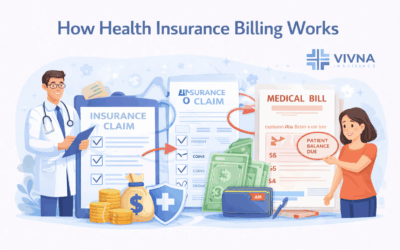
How Health Insurance Billing Works
Learn how health insurance billing works, including claims, EOBs, and patient responsibility after care.
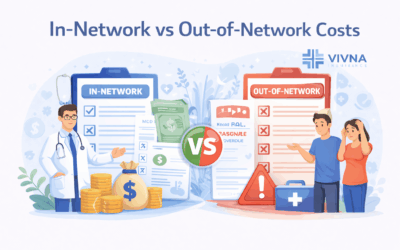
In-Network vs Out-of-Network Costs
Learn the difference between in-network and out-of-network costs and how provider networks affect your healthcare expenses.

What Is an Out-of-Pocket Maximum
Learn what an out-of-pocket maximum is and how it protects you from high medical costs when using health insurance.

What Is a Health Insurance Premium
Learn what a health insurance premium is, how it affects total costs, and how to compare plans confidently.

How Health Insurance Works
Learn how health insurance works, including premiums, deductibles, provider networks, and cost sharing so you can choose coverage confidently.

Health Insurance Copays vs Coinsurance
Health Insurance Copays Coinsurance affect what you pay for care. Learn how fixed copays and percentage-based coinsurance work together.

How Health Insurance Deductibles Work
Health Insurance Deductibles Work alongside premiums, copays, coinsurance, and out-of-pocket maximums. Learn how to compare plans with confidence.

What Health Insurance Covers Understanding Benefits & Coverage
What Health Insurance Covers includes preventive care, doctor visits, hospital services, and prescriptions. Learn what’s included and where gaps may exist.

Choosing Health Insurance Coverage | A Simple Plan Comparison Guide
Choosing Health Insurance Coverage doesn’t have to be stressful. Learn how to compare premiums, deductibles, networks, and benefits with a clear checklist.

Stay Healthy | Preventive Coverage & Wellness
Learn how using health insurance to stay healthy can improve well-being, lower costs, & support preventive care with Vivna Insurance.

Open Enrollment: Your Complete Guide to Health Insurance
Learn how Open Enrollment 2026 works, what changes to expect, and how Vivna Insurance can help you compare options including ACA, supplemental, and alternative plans.
Understanding Health Insurance Subsidies | Vivna Insurance
Discover how health insurance subsidies help make coverage more affordable. Vivna Insurance explains subsidy eligibility, plan options, and how to save the most on your healthcare costs.

Short-term vs ACA
Short term vs ACA : Compare costs, coverage, subsidies. Find the best plan for you. Free quote: 888-730-6001.
Life vs Health Insurance: Which Do You Need?
Take our 2-min quiz to see if you need life insurance, health insurance, or both in 2026. Free quote: 888-730-6001.

Best Health Insurance 2026 Nationwide – Save Up to $1,500/Month
Compare top health insurance 2026 nationwide. ACA, short-term, dental, life plans. Save with subsidies. Free quote: 888-730-6001.

Open Enrollment Guide – Save $1,200+ on Health Insurance
Open Enrollment 2026 starts Nov 1. Save $1,200+ on ACA health insurance with Vivna. Free quotes from UnitedHealthcare & more. Call 888-730-6001.
Open Enrollment 2026 | Affordable Health, Dental & Vision, Supplemental & Short-Term Plans
Open Enrollment 2026 is here. Explore affordable health insurance, dental and vision options, supplemental, short-term and tri-term plans. Vivna can help you compare coverage, apply for subsidies, and save. Call 888-730-6001.

Healthcare Expenses in Early Retirement: What to Expect and How to Save
Healthcare costs can surprise early retirees. Learn how to plan ahead, build savings, and explore insurance options to protect your financial future.

Planning for Retirement and Increased Life Expectancy | Vivna
People are living longer than ever—make sure you’re financially and medically prepared. Learn six essential steps for planning for retirement and increased life expectancy, from budgeting to health coverage, with Vivna Insurance.
Vivna Insurance
If you have questions about insurance coverage or need help reviewing your options, the team at Vivna Insurance is here to help. Call 888-730-6001 to speak with a licensed agent and receive guidance tailored to your needs.
Still Have Questions
Located In
Deerfield Beach, Florida