
Are You Ready For Your Free Quote?
We Have Agents Ready To Take Your Call. Call Us NowWant To Review Your OptionsVivna Insurance
Life Insurance Hub
Finding affordable life insurance can feel overwhelming; however, Vivna Insurance makes the process easier to understand.
Request your free quote today.
A licensed agent will contact you shortly.
“Licensed agents • Free plan comparisons • No obligation”




Why Choose Vivna Insurance
Vivna Insurance provides personalized guidance across health, life, dental, vision, and supplemental coverage, helping individuals and families choose plans that truly fit their needs. 🤝
Because Vivna is licensed nationwide and appointed with major carriers, clients gain access to multiple options with expert support every step of the way. 🌎📋

Personalized Support
Our team takes the time to understand your doctors, budget, and coverage goals so we can recommend the plans that work best for you.
Nationwide Coverage
Whether you’re looking for local options or nationwide plans, Vivna helps you explore a wide range of insurance choices in your state.
Choose Your Carrier
We work with trusted carriers including UnitedHealthcare, Pivot Health, Oscar, Aflac, and others to provide competitive plan options.
Clear, Simple Guidance
We walk you through every step—from comparing plans to selecting coverage—so you always feel confident in your choice.
Explore Affordable Life Insurance Plans
Vivna Insurance offers coverage with unique benefits tailored to your specific needs. For example, our agents compare budget-friendly life insurance options like term life or whole life. Additionally, we simplify your options to find affordable life insurance. Call 888-730-6001 or visit Vivna’s quoting tool for details.
Term life insurance
What Is Term Life Insurance?
Term life insurance is one of the most popular options people explore when comparing affordable life insurance plans. This type of policy provides coverage for a specific length of time, known as the policy term. Common term lengths include 10, 15, 20, or 30 years. During this time, the policy remains active and provides a guaranteed death benefit to the chosen beneficiary if the insured person passes away. Because the coverage lasts only for the selected period, term policies are often the most cost-effective way to secure meaningful financial protection for family members.
Many individuals choose term life coverage because it focuses on protecting financial responsibilities during the years they matter most. For example, families often purchase term policies while raising children, paying off a mortgage, or building long-term savings. If something unexpected happens, the death benefit can help replace income, cover outstanding debts, fund education costs, or support daily living expenses. When reviewing affordable life insurance plans, term coverage is frequently the starting point because it delivers strong protection with predictable premiums.
One of the defining characteristics of term life insurance is its simplicity. Unlike permanent policies, term plans generally do not include a cash value component. Instead, the policy focuses entirely on providing a death benefit during the policy term. Many policies offer level premiums, meaning the cost stays consistent throughout the selected coverage period. This makes it easier for individuals and families to budget for protection while maintaining other financial goals such as retirement savings or health coverage through health insurance plans.
Term life insurance can also offer flexibility depending on the policy structure. Some policies allow renewability at the end of the term, although premiums may increase based on age. Others include conversion options that allow the policyholder to convert the term policy into a permanent life insurance policy without completing another medical exam. These options help policyholders maintain coverage as their financial needs change over time while still starting with one of the most accessible affordable life insurance plans available.
When comparing term life options, it is helpful to evaluate several factors including the coverage amount, term length, premium stability, and available riders that may enhance the policy. Some riders may allow accelerated death benefits, child coverage, or waiver of premium benefits if the insured becomes disabled. These features can help tailor coverage to the needs of individuals, families, and business owners who want reliable financial protection without unnecessary complexity.
Ultimately, term life insurance is designed to provide straightforward protection during the years when financial obligations are highest. For many people searching for dependable and practical affordable life insurance plans, term life remains one of the most effective ways to safeguard loved ones, protect long-term financial stability, and ensure that family members have support when it matters most.
Variable Life
What Is Variable Life Insurance?
Variable life insurance is a type of permanent life insurance that combines lifelong coverage with investment opportunities. While many people begin by comparing affordable life insurance plans, variable life insurance introduces a more advanced structure because part of the policy’s value can be invested in different financial accounts. These accounts may include stock funds, bond funds, or other market-based investment options. Because of this investment component, the cash value of a variable life policy can grow over time depending on market performance.
Like other permanent policies, variable life insurance provides a death benefit that is paid to beneficiaries when the insured person passes away. However, the policy also includes a cash value portion that can fluctuate based on the performance of the selected investments. This means the policyholder has more control over how the cash value is allocated, but it also introduces investment risk. If the underlying investments perform well, the policy value may increase. If markets decline, the cash value may decrease. For this reason, variable life insurance is typically considered more complex than traditional term coverage often found in affordable life insurance plans.
Policyholders who choose variable life insurance are often interested in both long-term protection and potential financial growth inside the policy. The investment portion allows individuals to build cash value over time while maintaining life insurance protection. In some cases, this accumulated cash value may be borrowed against or withdrawn depending on the policy rules. These features can provide financial flexibility, although withdrawals or loans may reduce the death benefit if not repaid.
Another important aspect of variable life insurance is that it typically requires active management by the policyholder. Because the investment accounts are tied to market performance, policyholders may review their allocations periodically and adjust them based on their financial goals, risk tolerance, and market conditions. This level of involvement makes variable life insurance different from simpler policies that focus primarily on coverage rather than investment growth.
While variable life insurance can provide growth potential, it is not always the best starting point for individuals seeking straightforward protection. Many families begin by exploring affordable life insurance plans such as term life insurance because those options are easier to understand and typically more cost-effective for income protection. Variable life insurance may be better suited for individuals who already have stable financial planning strategies and want to combine insurance protection with long-term investment potential inside a permanent policy structure.
Ultimately, variable life insurance is designed for people who want both life insurance coverage and the opportunity to participate in investment markets through their policy. Understanding how the investment component works, the potential risks involved, and how it compares to other affordable life insurance plans can help individuals determine whether this type of coverage aligns with their long-term financial goals.
Accidental Death (AD&D)
What Is Accidental Death and Dismemberment (AD&D) Insurance?
Accidental Death and Dismemberment insurance, often called AD&D insurance, is a type of coverage that pays benefits if a serious injury or death occurs as the result of a covered accident. Many individuals exploring affordable life insurance plans encounter AD&D policies as a supplemental form of protection. Unlike traditional life insurance policies that cover death from most natural causes, AD&D coverage specifically focuses on accidental events such as severe injuries, loss of limbs, loss of sight, paralysis, or death caused by an unexpected accident.
AD&D insurance generally provides two primary types of benefits. The first is the accidental death benefit, which pays a lump sum to beneficiaries if the insured person dies as the result of a qualifying accident. The second is the dismemberment benefit, which pays a partial benefit if the insured experiences a severe injury such as the loss of a hand, foot, eyesight, or other serious physical impairment. These benefits can help families handle medical costs, rehabilitation expenses, lost income, and other financial challenges that may follow a major accident.
Many people consider AD&D insurance as an additional layer of financial protection alongside more traditional affordable life insurance plans. While a standard life insurance policy provides broad protection for many causes of death, AD&D coverage is limited strictly to accidents. Because of this narrower scope, AD&D policies are often less expensive and may be offered as optional riders or standalone supplemental policies depending on the insurance provider.
AD&D coverage may be particularly useful for individuals who work in physically demanding occupations, travel frequently, or participate in activities where the risk of accidental injury may be higher. For example, people working in construction, transportation, manufacturing, or other physically active roles sometimes add AD&D coverage to strengthen their overall financial safety net. In these cases, the coverage can help protect both the insured person and their loved ones if an accident results in serious injury or death.
It is important to understand that AD&D insurance does not replace traditional life insurance. Instead, it works best as a supplemental option that adds an extra layer of protection. Because it only applies to specific types of accidents, it should typically be considered in combination with broader affordable life insurance plans that provide more comprehensive coverage for natural causes, illness, and other circumstances.
When evaluating AD&D coverage, individuals should review the policy details carefully to understand what types of accidents are covered, what exclusions may apply, and how benefit amounts are structured. By combining AD&D coverage with a well-designed life insurance policy, families can build a stronger financial safety net designed to provide support during some of life’s most unexpected situations.
Whole Life
What Is Whole Life Insurance?
Whole life insurance is a type of permanent life insurance designed to provide lifelong protection while also building cash value over time. When people research affordable life insurance plans, they often compare term life insurance with permanent options like whole life insurance. Unlike term policies that expire after a specific number of years, whole life insurance remains active for the insured person’s entire life as long as premiums continue to be paid. This guarantees that beneficiaries receive a death benefit whenever the insured passes away.
One of the key features that separates whole life insurance from other types of coverage is the cash value component. A portion of each premium payment goes toward building cash value within the policy. Over time, this value can grow on a tax-deferred basis and may be accessed through policy loans or withdrawals depending on the policy rules. Because of this structure, whole life insurance provides both financial protection and a form of long-term savings within the same policy.
Whole life insurance policies are typically designed with fixed premiums and a guaranteed death benefit. This means the premium amount remains consistent throughout the life of the policy, which makes it easier for policyholders to plan long-term financial protection. Many individuals exploring affordable life insurance plans appreciate the stability that whole life policies offer, especially when they want predictable costs and permanent coverage for their families.
Another advantage of whole life insurance is the ability to build financial flexibility through the accumulated cash value. Policyholders may be able to borrow against the cash value to help with expenses such as education costs, emergencies, or supplemental retirement planning. However, it is important to understand that loans or withdrawals may reduce the available death benefit if they are not repaid according to the policy terms.
Whole life insurance can play an important role in long-term financial planning for individuals who want coverage that never expires. Some people choose this type of policy to help cover final expenses, leave a financial legacy for family members, support estate planning strategies, or provide financial security for dependents throughout their lifetime. Because the policy remains in force for life, beneficiaries can rely on the guaranteed payout when the time comes.
While whole life insurance provides permanent protection and long-term value, it generally costs more than term life coverage because it includes lifelong coverage and a cash value component. For this reason, many individuals begin their search with affordable life insurance plans that match their financial goals and protection needs before deciding whether whole life insurance is the right long-term solution for their situation.
Simplified Life
What Is Simplified Issue Life Insurance?
Simplified issue life insurance is a type of policy designed to make the application process faster and easier than traditional life insurance coverage. Many people exploring affordable life insurance plans consider simplified issue policies because they typically require only a short health questionnaire rather than a full medical exam. This allows applicants to apply for coverage quickly while still securing meaningful financial protection for their loved ones.
Unlike traditional life insurance policies that may require blood work, medical exams, and extensive underwriting, simplified issue life insurance focuses on basic health questions and personal information. Insurance carriers review the responses to determine eligibility and coverage amounts. Because the approval process is streamlined, many applicants receive decisions within days rather than weeks. This faster process can be helpful for individuals who want to secure coverage quickly without scheduling medical exams or lengthy evaluations.
Simplified issue policies are commonly available as both term life insurance and permanent life insurance options. Depending on the policy structure, the coverage may provide a fixed death benefit for a set term or offer lifelong protection with a permanent policy. Individuals comparing affordable life insurance plans often review simplified issue options when they want convenient access to life insurance coverage with fewer application requirements.
Because simplified issue life insurance reduces the amount of medical screening required during underwriting, premiums may sometimes be slightly higher than fully underwritten policies for the same coverage amount. However, the convenience of the simplified application process makes this option attractive for people who prefer a quicker approval process or who may not want to complete medical testing. For many families, the ability to secure coverage quickly can provide valuable peace of mind.
Simplified issue life insurance can be especially helpful for individuals who want coverage for income protection, final expenses, or family financial security but prefer a streamlined application experience. While it may not always offer the lowest premiums available, it remains an important option within the range of affordable life insurance plans because it balances accessibility, speed, and dependable life insurance protection.
When comparing simplified issue life insurance policies, it is important to review the coverage limits, premium structure, and policy terms carefully. Working with a knowledgeable insurance professional can help ensure that the selected policy aligns with personal financial goals while still providing the protection needed to support loved ones in the future.
Final Expense
What Is Final Expense Life Insurance?
Final expense life insurance is a type of policy designed to help cover end-of-life costs such as funeral expenses, burial services, medical bills, and other remaining financial obligations. Many individuals researching affordable life insurance plans consider final expense coverage because it focuses on providing a smaller, manageable policy that helps families avoid unexpected financial burdens during a difficult time.
This type of life insurance is often structured as a simplified policy with lower coverage amounts, typically ranging from a few thousand dollars up to around $50,000 depending on the carrier and eligibility requirements. Because the primary goal is to help cover funeral and burial costs, final expense insurance is commonly used to ensure that loved ones are not responsible for paying these expenses out of pocket. Funeral services, memorial arrangements, and related costs can add up quickly, which is why many people choose final expense coverage as part of their overall financial planning.
Many final expense policies are available through simplified or guaranteed underwriting processes, meaning applicants may not need to complete a medical exam. Instead, the application may involve answering a short set of health questions. This streamlined process can make it easier for individuals to qualify for coverage quickly. As a result, final expense policies are often considered when people are reviewing affordable life insurance plans that provide straightforward protection without complex underwriting requirements.
Another advantage of final expense life insurance is that the policy typically provides a fixed death benefit that is paid directly to the beneficiary. This payout can be used to cover funeral arrangements, burial or cremation services, outstanding medical bills, small debts, or other final obligations. Having this financial support in place can help families focus on honoring their loved one rather than worrying about immediate financial pressures.
Although final expense insurance offers smaller coverage amounts compared with traditional term or permanent life insurance policies, it plays an important role for individuals who want a simple way to prepare for end-of-life costs. When combined with broader affordable life insurance plans, final expense coverage can provide additional financial reassurance that loved ones will have the resources they need when the time comes.
Choosing the right final expense policy involves reviewing coverage limits, eligibility requirements, premium structure, and policy conditions. By selecting a policy that fits both financial goals and family needs, individuals can ensure their loved ones receive meaningful support and protection during life’s most difficult moments.
Choosing Your Affordable Life Insurance Plan is Very Important.
Each life insurance policy serves a unique purpose for every family. For example, Vivna Insurance matches budget-friendly life insurance to your goals and budget. In addition, our agents simplify options for low-cost life coverage. Call 888-730-6001 or use Vivna’s quoting tool to find life insurance for families. Visit Contact Us or NAIC.

Affordable Health Insurance Nationwide
Click your state for a personalized quote from a licensed agent

Alabama
Arizona
Arkansas
California
Colorado
Connecticut
Delaware
Florida
Georgia
Idaho
Illinois
Indiana
Iowa
Kansas
Kentucky
Louisiana
Maine
Maryland
Massachusetts
Michigan
Minnesota
Mississippi
Missouri
Montana
Nebraska
Nevada
New Hampshire
New Jersey
New Mexico
New York
North Carolina
North Dakota
Ohio
Oklahoma
Oregon
Pennsylvania
Frequently Asked Questions From Our Clients
Why is life insurance considered an important financial protection tool for individuals and families?
<p>Life insurance provides financial protection for the people who rely on you if something unexpected happens. When a person passes away, their income often disappears immediately, while many financial obligations remain. Mortgage payments, household bills, childcare costs, and everyday living expenses can place a heavy burden on surviving family members. Life insurance helps replace that lost income so loved ones can maintain financial stability during a difficult time.</p>
<p>In many cases, the death benefit from a policy can also help cover funeral expenses, outstanding debts, and education costs for children. Because of this, life insurance is often viewed as one of the most important foundational financial protections a household can have. It creates a financial safety net designed to reduce stress and uncertainty during an already emotional time.</p>
<p>Understanding how life insurance works can make it easier to determine the right coverage amount for your situation. Educational resources, including the <a href=”https://vivna.net/health-insurance-blog/” style=”color:blue; text-decoration:underline;”>Health Insurance Blog</a>, can help individuals learn how insurance policies protect families and support long-term financial planning decisions.</p>
How do term life insurance policies differ from permanent life insurance coverage options?
Life insurance policies are generally divided into two main categories: term life insurance and permanent life insurance. Term life insurance provides coverage for a specific period of time, often 10, 20, or 30 years. If the policyholder passes away during that term, the policy pays a death benefit to the designated beneficiaries. Because term life insurance focuses purely on protection, it is typically the most affordable type of coverage.
Permanent life insurance, on the other hand, is designed to last for the policyholder’s entire lifetime as long as premiums are paid. These policies may include a cash value component that grows over time. Policyholders can sometimes borrow against this cash value depending on the structure of the policy.
Many insurance companies offer both types of coverage. For example, insurers such as UnitedHealthcare offer a range of insurance solutions designed to help individuals protect their families while planning for future financial needs. Learning how each policy type works can help people choose the option that fits their financial goals.
What factors should individuals consider when deciding how much life insurance coverage they need?
Determining the appropriate amount of life insurance coverage depends on several financial factors unique to each household. One of the most important considerations is income replacement. Many financial advisors recommend purchasing enough coverage to replace several years of income so dependents can maintain their lifestyle if the policyholder passes away.
Other important considerations include outstanding debts such as mortgages, car loans, credit cards, and student loans. Life insurance can help ensure these obligations do not become financial burdens for surviving family members. Families with children may also consider future education expenses when calculating coverage needs.
Insurance carriers provide many policy options designed to meet different coverage goals. For example, insurers like Oscar offer insurance solutions that support broader healthcare and financial protection strategies. Reviewing financial responsibilities and long-term goals helps individuals determine a life insurance policy that provides meaningful protection.
How does the life insurance application process work when someone applies for coverage?
Applying for life insurance typically begins with completing an application that includes basic personal information, financial details, and medical history. Insurance companies use this information to assess risk and determine eligibility for coverage. The underwriting process allows insurers to calculate appropriate premium levels based on factors such as age, health status, and lifestyle.
Some policies require a medical exam where a nurse collects health measurements such as blood pressure, height, weight, and sometimes blood or urine samples. Other policies may offer simplified underwriting that does not require a medical exam but may include higher premiums or lower coverage limits.
Insurance providers often use advanced data systems to evaluate risk and speed up approvals. Companies such as Cigna utilize digital underwriting tools that help streamline the application process. Understanding how underwriting works allows applicants to prepare documentation and move through the approval process more efficiently.
Who should consider purchasing life insurance and at what stage of life is it most beneficial?
Life insurance can benefit individuals at many different stages of life, particularly when others rely on their income or financial contributions. Parents with young children often consider life insurance essential because it helps ensure financial support remains available if a parent unexpectedly passes away.
Homeowners with mortgages may also benefit from coverage because the policy can help pay off housing expenses so surviving family members can remain in their home. Additionally, individuals who share financial responsibilities with a spouse or partner may use life insurance to protect their partner from unexpected financial hardship.
Younger individuals sometimes purchase life insurance earlier in life because premiums are typically lower when policies are issued at younger ages. Some insurers such as Molina Healthcare offer coverage options that complement broader health protection strategies. Evaluating personal financial responsibilities can help determine when life insurance coverage becomes most important.
How do life insurance premiums get calculated and what factors influence policy pricing?
Life insurance premiums are calculated based on several risk factors that help insurers estimate the likelihood of a future claim. Age is one of the most significant pricing variables because younger individuals generally present lower risk to insurers. Health status also plays a major role, as applicants with fewer medical conditions typically qualify for lower premiums.
Other factors that may influence life insurance pricing include tobacco use, occupation, lifestyle activities, and family medical history. Insurance companies review these elements during underwriting to determine the appropriate premium level for each applicant.
Many insurance providers also offer different policy structures designed to fit a range of budgets. For example, companies such as UnitedHealthcare offer insurance solutions that balance affordability with reliable coverage protection. Understanding the factors that affect premiums can help individuals make informed decisions when selecting a life insurance policy.
What happens to a life insurance policy if the policyholder lives beyond the policy term?
If a policyholder lives beyond the coverage period of a term life insurance policy, the policy typically expires without paying a death benefit. At that point, the policyholder may have several options depending on the policy structure. Some policies allow individuals to renew coverage for another term, although premiums may increase due to age.
Other policies include conversion options that allow policyholders to convert a term policy into a permanent life insurance policy without undergoing another medical exam. This feature can be valuable for individuals who develop health conditions later in life.
Understanding policy expiration and renewal options helps policyholders maintain coverage if their financial protection needs continue. Educational resources, including the Health Insurance Blog, often explain how different insurance policies work so individuals can plan their coverage strategy more effectively.
Can life insurance policies help cover debts and financial obligations after someone passes away?
Yes, one of the primary purposes of life insurance is to help cover financial obligations that may remain after a person passes away. When someone dies, surviving family members may still face significant financial responsibilities including mortgage payments, personal loans, credit card balances, and everyday household expenses.
The death benefit from a life insurance policy can be used by beneficiaries to pay off debts and maintain financial stability. This flexibility allows families to prioritize their most urgent financial needs without worrying about immediate income loss.
Insurance companies design policies specifically to support long-term financial protection. Providers such as Oscar offer insurance products that complement broader financial planning strategies. Reviewing existing financial obligations can help individuals determine whether life insurance coverage may provide valuable protection for their families.
What role does life insurance play in long-term financial and estate planning strategies?
Life insurance can serve as a key component of long-term financial and estate planning. Many individuals use life insurance to help ensure that assets pass smoothly to beneficiaries without creating financial burdens during the estate settlement process. The death benefit from a policy can provide liquidity that helps pay estate taxes, legal fees, or other final expenses.
Some permanent life insurance policies also build cash value over time. This accumulated value may provide additional financial flexibility depending on the policy structure. Policyholders sometimes use this feature as part of broader financial planning strategies.
Insurance carriers often integrate life insurance products into comprehensive protection solutions. Companies such as Cigna provide insurance options designed to support both health coverage and long-term financial protection planning. Evaluating estate goals and family needs can help determine how life insurance fits into an overall financial strategy.
How can someone compare life insurance companies to choose the right policy provider?
Comparing life insurance companies involves reviewing several important factors beyond simply looking at price. Financial strength ratings, customer service reputation, policy options, and underwriting flexibility all play important roles when choosing an insurer.
Some companies specialize in simplified policies while others offer a wide range of policy structures designed for different financial goals. Provider networks, digital tools, and policy customization options may also influence which insurer best fits an individual’s needs.
Researching insurance providers and reviewing educational resources can help consumers make informed decisions. Articles available through the Health Insurance Blog often provide helpful explanations about insurance products and coverage options. Taking time to evaluate multiple insurers allows individuals to select a life insurance policy that offers reliable protection and long-term value.
Contact Vivna Insurance
888-730-6001
To complete the form below to request your personalized insurance review.
Get a Free Quote
Life Insurance Blog Insights

Understanding Supplemental Coverage Options
A detailed guide explaining supplemental coverage options and how they help reduce medical out-of-pocket costs.
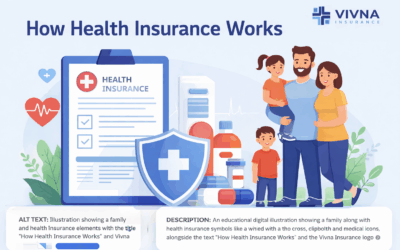
Life vs Health Insurance: Which Do You Need?
Take our 2-min quiz to see if you need life insurance, health insurance, or both in 2026. Free quote: 888-730-6001.

Open Enrollment 2026 | Affordable Health, Dental & Vision, Supplemental & Short-Term Plans
Open Enrollment 2026 is here. Explore affordable health insurance, dental and vision options, supplemental, short-term and tri-term plans. Vivna can help you compare coverage, apply for subsidies, and save. Call 888-730-6001.

4 Benefits of a Whole Life Insurance Policy | Vivna Insurance
A whole life insurance policy offers lifelong coverage, fixed premiums, cash value growth, and estate-planning advantages. Learn how it can protect your family and your financial future with Vivna Insurance.

6 Reasons Term Life Insurance is Important for You and Your Family
Learn how term life insurance protects your family through affordable coverage, debt support, and stability during critical years.

What is Supplemental Insurance and When to Buy It?
Learn what supplemental insurance coverage is, how it fills financial gaps, and when families should consider purchasing it.

What is Supplemental Insurance Coverage, and When to Buy It.
Supplemental insurance coverage can help cover medical expenses your primary health plan does not. Learn how these affordable add-on policies protect families from unexpected costs.

12 Key Factors In Choosing Health, Dental And Vision Insurance
Learn the key factors in choosing health, dental, and vision insurance, including networks, costs, benefits, and how to confidently select the right plan.
Choosing a Life Insurance Policy
Learn the key differences between workplace and private life insurance and how to choose the coverage that fully protects your family.

Why You May Need a Personal Injury Lawyer
Discover how a personal injury lawyer protects your rights, strengthens your claim, and helps secure fair compensation after an accident or injury.

How to Choose an Executor for Your Will
Learn how to choose an executor wisely and ensure your will is carried out smoothly with trusted guidance and practical steps.

6 Reasons Why Millenials Need Life Insurance
Learn the top six reasons why millennials need life insurance and how early coverage protects your financial future.

What Happens If You Outlive Your Term Life Insurance Policy
Discover what happens if you outlive your term life insurance policy and explore your options for affordable long-term protection.

Is a Medicare Supplemental Health Insurance Plan Worth It?
Learn whether a Medicare Supplemental Health Insurance Plan is worth it and how Medigap helps reduce out-of-pocket healthcare costs.

Why Single Parents Need To Be Concerned With Life Insurance
Discover why single parents need life insurance and how early planning protects your children’s financial future.

How to Secure Supplemental Insurance for Your Child
Learn how to secure supplemental insurance for your child and protect them from unexpected medical expenses.

The Top 9 Reasons Singles Need Supplemental Insurance!
Learn why singles need supplemental insurance and how added protection strengthens your long-term financial security.

Children need life insurance
Discover why life insurance is important for your children and how early coverage protects their financial future.

How Much Life Insurance Do You Really Need?
Learn how to determine your ideal life insurance coverage amount and protect your family with confidence.

The Factors That Affect Your Life And Health Insurance Plans
Discover the key factors that affect your life and health insurance plans so you can choose the right coverage with confidence.

When and Why You Need Life Insurance
Learn when and why you need life insurance and how it protects your family’s financial future.