
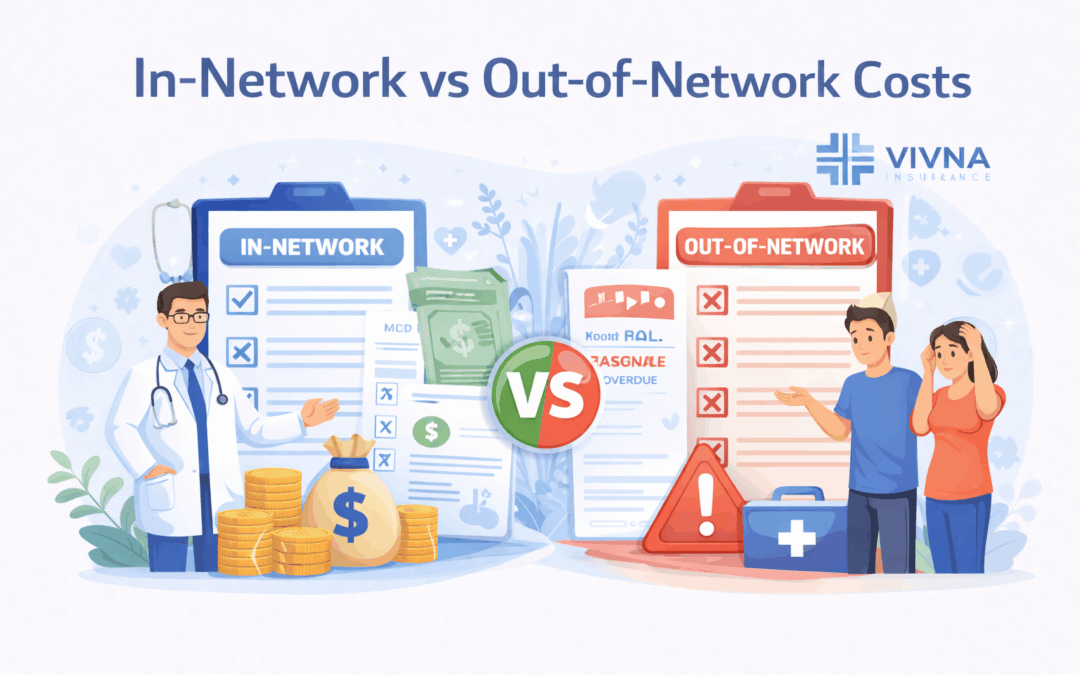
In-Network vs Out-of-Network Costs
In-network vs out-of-network costs play a major role in how much you pay for medical care. Understanding these differences helps you avoid surprise bills, manage deductibles more effectively, and choose coverage that aligns with your budget. Because provider networks directly affect pricing, knowing how they work is essential before selecting a plan.
What In-Network vs Out-of-Network Costs Mean
In-network providers have negotiated pricing agreements with your insurance carrier. As a result, services typically cost less when you stay within your network. Out-of-network providers, however, do not agree to discounted rates. Therefore, patients often pay significantly higher charges.
When comparing Health Insurance plans, reviewing network size and provider access is just as important as reviewing monthly premiums.
How In-Network Costs Lower Your Financial Risk
Using in-network doctors usually means lower copays, lower coinsurance percentages, and faster progress toward your deductible and out-of-pocket maximum. Because these providers accept negotiated pricing, your portion of the bill is reduced.
In addition, pairing primary coverage with Supplemental Insurance may help offset unexpected medical expenses.
Out-of-Network Costs and Potential Surprises
Out-of-network charges can be significantly higher because providers may bill full rates. Some plans only cover a small percentage of those charges, while others may not count them toward your deductible. This creates higher financial exposure.
Understanding in-network vs out-of-network costs helps reduce billing surprises, especially when scheduling surgeries, specialist visits, or hospital procedures.
How Plan Types Handle Network Rules
PPO plans often allow partial out-of-network coverage, though at higher costs. HMO and EPO plans generally require you to stay in-network except for emergencies. Reviewing these rules carefully ensures you understand your financial responsibility.
If you are between jobs or transitioning coverage, Short-Term Health Insurance may provide temporary protection, though network rules vary.
Emergencies and Network Exceptions
Emergency services are often treated as in-network under federal rules. However, follow-up care may not be covered the same way. Checking your benefits before non-emergency treatment helps prevent large bills.
For trusted medical information, visit the National Institutes of Health and the Centers for Disease Control and Prevention.
Planning for Long-Term Stability
Managing medical costs also supports broader financial planning. In addition to maintaining strong Health Insurance coverage, families may consider Life Insurance for long-term protection.
Evaluating network access before enrollment ensures your preferred doctors and hospitals remain affordable within your chosen plan.
Frequently Asked Questions
Are in-network providers always cheaper?
In most situations, yes. Negotiated pricing lowers your total out-of-pocket costs.
Do out-of-network costs count toward my deductible?
Some plans apply partial credit, but many limit or exclude out-of-network charges from deductible calculations.
Can I choose any doctor?
That depends on your plan type. PPO plans allow more flexibility, while HMO and EPO plans typically require in-network care.
How can I verify network status?
Check your insurer’s provider directory or confirm directly with your doctor’s office before receiving care.
Contact Us Now
If you need help comparing in-network vs out-of-network costs across plans, our licensed agents are ready to assist. Call 8887306001 or explore additional educational resources on the Health Insurance Blog.